CONNECT WITH US
Sign out

3D IC still yet to be fully known, says Cadence executive

, Taipei
0

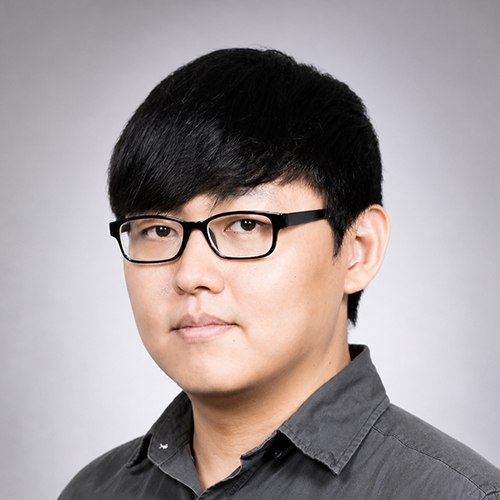
Chin-Chi Teng, SVP and GM at Cadence Design Systems. Credit: DIGITIMES

3D IC technology has emerged as a significant advancement in the semiconductor industry. Despite its significance, there are still a number of unresolved issues and challenges that need to be addressed, according to Chin-Chi Teng, SVP and GM of the digital and signoff group at Cadence Design Systems.

Cadence has established a very close relationship with TSMC. It is already part of TSMC's Open Innovation Platform (OIP) and is actively working with TSMC on its 3D IC standard "3Dblox." According to Teng, whether or not 3D IC technology can be standardized will be key to its future development.

To avoid having each company do its own thing when it comes to 3D IC design and drag down the development of the entire semiconductor industry, TSMC launched its 3Dblox standard to define a common language for 3D IC. Cadence shares the same vision and will continue to promote the standardization of 3D IC in the future.

While it seems that AI chips are a huge leap forward, Teng emphasized that in reality the standards requirements and design pain points are not much different—they all require higher performance in a smaller area with lower energy consumption.

The difference between AI chips and general chips is that the former are larger and highly modular, while still needing to meet performance, power, and area (PPA) demands. AI chips must also use the most advanced manufacturing technology.

Teng believes that the difficulty of designing AI chips has risen exponentially. To this point, Cadence has integrated all of its design tools and is providing more AI-related functions to lighten the workload for IC design engineers.

In the AI chip era, Cadence will focus on strengthening its three main competitive advantages. First, it will continue its close relationship with TSMC. Second, it will continue growing its basic skills for PPA. Lastly, it will introduce more AI algorithms to strengthen the automation of its design tools to help IC design cope with increasingly complex design challenges.

Teng is very confident in Taiwan's competitive abilities in IC design in the AI chip era, noting that Taiwan's IC design, IC manufacturing, and AI server production are all considered world-class without any major shortcomings.

If Taiwan has a shortcoming, Teng said it is that Taiwan lacks systems companies, such as Amazon or Google, to define products. Although this flaw is a long-term one, it does not impact the advantages of Taiwan's semiconductor supply chain.

Article translated by Eifeh Strom