

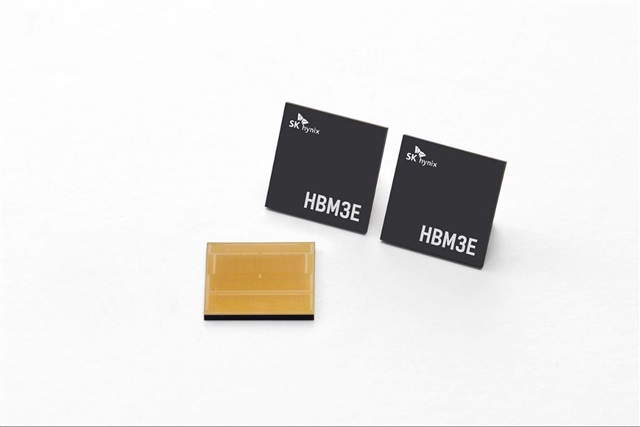
Micron Technology has, for the first time, overtaken Samsung Electronics in the high-bandwidth memory (HBM) market, securing second place in global shipments during the second quarter of 2025. According to data from Counterpoint Research, Micron captured a 21% share of HBM shipments, edging out Samsung's 17%, while SK Hynix remained the undisputed leader with 62%.
The achievement marks a significant milestone for Micron, whose aggressive investment in HBM technology is beginning to pay off. The company's robust performance was reflected in its recently released fourth quarter of 2024 earnings, with total revenue hitting a record US$11.3 billion, US$2.0 billion of which came from HBM products.
Despite the current setback, analysts expect Samsung to rebound as it begins securing HBM3E certifications from major customers and ramps up its HBM4 production in 2026. Counterpoint forecasts that Samsung's market share could climb above 30% next year, reversing its recent decline.
South Korea holds the lead, but competition is heating up
While Micron's recent gains are notable, South Korea continues to dominate the global HBM landscape. Of every 10 HBM chips shipped worldwide, eight are still made by South Korean firms, primarily SK Hynix and Samsung. With the next-generation HBM4 expected to debut by the end of 2025, South Korea's market leadership is likely to be further cemented.
However, the competitive landscape is shifting. Micron's momentum is bolstered by its geopolitical positioning — it benefits from stronger ties with US and European clients amid ongoing efforts to reduce reliance on Asian supply chains.
Meanwhile, Chinese memory manufacturers are pushing to catch up, albeit slowly. ChangXin Memory Technologies (CXMT), China's most prominent memory chipmaker, is currently developing HBM3. Yet progress has been hampered by difficulties in core areas such as thermal control and clock speed. Initial shipment targets set for 2025 now appear likely to slip into the second half of 2026.
Huawei has also begun early-stage development of its own HBM chips, though current prototypes are reportedly running at half the speed of mainstream HBM products.
Challenges ahead for Korean firms
Even with their dominant market share, South Korean manufacturers face headwinds. Counterpoint notes that to maintain their leadership, SK Hynix and Samsung will need to continue outpacing competitors technologically while also developing customized solutions that meet the evolving needs of AI and high-performance computing (HPC) markets.
At the same time, both companies must contend with external pressure — from Micron's growing presence in Western markets to China's state-backed capacity expansion.
As the global AI boom fuels unprecedented demand for high-performance memory, the HBM race is not just a technological contest, but a geopolitical one — and the next year may determine whether South Korea retains its lead or is forced to share the crown.
Article translated by Elaine Chen and edited by Jerry Chen