

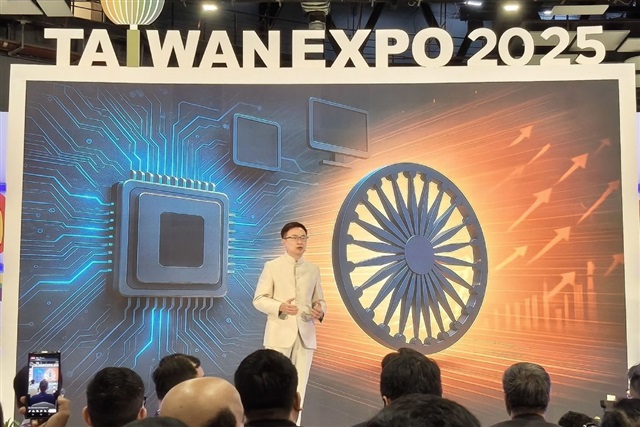
The Indian government is advancing a Swadeshi movement—a self-reliance initiative—with a budget allocation of INR760 billion (approximately US$8.621 billion) to build a domestic semiconductor and display manufacturing ecosystem. By 2025, India anticipates producing its first domestically made chip.
Assembly strength, but talent gaps persist
India's position as the world's second-largest mobile phone production hub benefits from low labor costs and a large workforce focused on downstream assembly. However, Taiwanese companies investing in India face challenges in attracting the country's top engineering talent. Indian graduates often prioritize careers in Silicon Valley or startups over opportunities in Taiwan.
According to industry insiders and Taiwanese firms operating in India, Indian university students possess strong English language proficiency but are generally unfamiliar with Taiwan. They often perceive Taiwan as prone to natural disasters and lacking Indian cultural communities, key factors contributing to their reluctance to seek employment there. Furthermore, language barriers and lifestyle differences impede integration, prompting calls for expanded internship programs and government incentives to foster stronger India-Taiwan talent exchange.
Strategic programs aim to close the supply chain gap
India's push for electronics manufacturing includes the Scheme for Promotion of Electronics Components and Semiconductors (SPECS), with a budget of around US$430 million targeting semiconductor and electronic components technology development. The government has also introduced Electronic Manufacturing Clusters 2.0 (EMC 2.0), aiming to attract investment and upgrade industrial zones, with possible smart manufacturing parks planned along the Delhi-Mumbai Industrial Corridor.
Taiwan External Trade Development Council (TAITRA) highlights the growing market for smart devices in India, driven by urbanization, increasing disposable incomes, and young consumers' growing demand for privacy-focused technology. Products like smart lighting, security monitoring, and energy management devices are seeing rapidly expanding adoption among Indians aged 25 to 34, offering opportunities for Taiwanese exporters.
While Indian startups exceed 180,000, including 118 unicorns, and generate 1.76 million jobs, India's lack of a comprehensive electronic components supply chain remains a challenge. This gap underscores the importance of government programs and international collaboration to build a more resilient domestic electronics industry.
Cultural barriers limit Taiwan-India collaboration
The reluctance of Indian tech talent to move to Taiwan also relates to the limited historical emphasis Taiwanese firms have placed on the Indian market compared to Japanese and South Korean companies. This has contributed to a knowledge gap and few cultural or community ties for Indians in Taiwan. TAITRA recommends that Taiwanese companies form cross-cultural teams that combine local Indian expertise with Taiwanese management to navigate cultural differences and regulatory environments more effectively. Employing mid-level Indian managers can help reduce communication friction and expedite market entry.
Indian expatriates worldwide send back more than US$100 billion annually, contributing to India's massive foreign exchange reserves, which stand at US$665.4 billion—ranking fourth globally behind China, Japan, and Switzerland. Taiwan ranks fifth with reserves of US$578 billion, reflecting its economic strength but also highlighting the competitive landscape for attracting international talent and investment.
The Indian government's substantial investment in semiconductor manufacturing signals a strategic effort to build self-sufficiency in technology sectors critical for economic growth. Meanwhile, Taiwan faces challenges in engaging with India's vast talent pool, necessitating expanded cultural integration efforts and collaborative approaches to harness bilateral opportunities in electronics and technology industries.
Article translated by Jingyue Hsiao and edited by Jerry Chen