
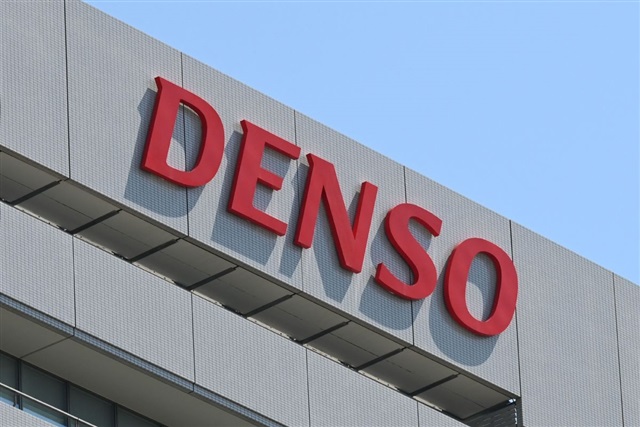
Japanese auto parts supplier Denso has made a takeover proposal for Kyoto-based chipmaker Rohm in a deal that could reach about JPY1.3 trillion (approx. US$8.3 billion), according to reports from Nikkei and Reuters.
Nikkei reported that Denso proposed acquiring Rohm through a tender offer to obtain all outstanding shares. The proposal was reportedly made in February or earlier, and Rohm has established a special committee to review whether to accept the offer.
If Rohm rejects the proposal, Denso may proceed with a hostile takeover bid. Both companies confirmed discussions. Denso and Rohm said in statements on March 6 that they are in talks over a possible acquisition of shares, adding that nothing has been decided.
Potential shift in Japan's power semiconductor sector
If completed, the deal would position the two companies as a major force in Japan's power semiconductor sector, which supplies chips used in electric vehicles (EVs), data centers, and industrial equipment.
Power semiconductors control electricity and voltage in systems such as EVs, electronic devices, and industrial equipment. Demand for these components has grown as automobiles become increasingly electrified and computerized.
Japanese companies have traditionally dominated the power semiconductor sector, but Chinese manufacturers have gained prominence, leaving excess production capacity among many Japanese players. Japan's Ministry of Economy, Trade, and Industry has also encouraged consolidation in the industry.
Denso, a key supplier within the Toyota group, has been working with Fuji Electric on next-generation power semiconductors, while Rohm has cooperated with Toshiba. If Denso succeeds in acquiring Rohm, the existing collaboration framework among the companies could change.
Existing partnership and ownership stake
Denso and Rohm have already expanded cooperation in the semiconductor sector. In May 2025, the companies announced a broader collaboration agreement to jointly develop analog semiconductors used in EV sensors and other components.
Denso initially acquired a 0.3% stake in Rohm at that time and increased its holding to nearly 5% by July 2025.
In response to the takeover reports, Denso said on its website that the two companies had agreed in May 2025 to establish a strategic partnership in semiconductors and are exploring various strategic options based on that agreement, including the potential acquisition of Rohm shares, but no concrete decisions have been made.
Market valuation and financial performance
Rohm's market capitalization stood at about JPY1.1 trillion as of March 5. If Denso seeks to purchase the remaining roughly 95% of Rohm's shares with a premium, the total acquisition price could reach around JPY1.3 trillion.
Shares of Rohm were untraded following the company's statements, flooded with buy orders, while Denso shares fell 4.1%.
Rohm reported a net loss of JPY50 billion for the fiscal year ended March 2025, compared with a profit of JPY53.9 billion the previous year, marking its first annual loss in 12 years. The company expects to return to profitability with a projected net profit of JPY10 billion in the current fiscal year.
Industry ties and strategic considerations
Rohm has maintained close ties with Toshiba. When Toshiba was delisted in 2023, Rohm invested JPY300 billion in a domestic Japanese consortium that acquired the electronics company. The two companies have also cooperated in capital investment projects supported by subsidies of up to JPY129.4 billion from Japan's Ministry of Economy, Trade and Industry.
However, a technology cooperation agreement announced in August last year between a Toshiba subsidiary and a Chinese silicon carbide wafer manufacturer drew opposition from Rohm. The agreement was later terminated, creating tensions between the two companies.
Meanwhile, Denso has expanded production capacity for next-generation power semiconductors and established a new company to design chips intended to serve as the "brain" of autonomous vehicles as part of its strategy to vertically integrate semiconductor design and manufacturing.
Article edited by Jack Wu