


CONNECT WITH US
Sign out

Memory chip prices surge as supply constraints offset weak demand

, Taipei
0

Credit: DIGTIMES

Memory prices have climbed steadily despite sluggish end-user demand, with manufacturers expecting improved operations in the first half of 2025 and price stability through year-end as tariff exemptions drive urgent ordering.

Supply cuts fuel price rally

Apacer Technology CEO Chia-Kun Chang said memory supply shortages from production cuts by original manufacturers are driving the price rally across the sector.

Industry executives acknowledge the 2025 memory market trajectory has defied expectations. After severe price crashes in late 2024, upstream manufacturers' production cuts and capacity controls, combined with AI server demand, have stabilized market conditions.

Taiwan gains ground amid trade tensions

Chinese companies' previous practice of rerouting products through third countries has declined amid US-China trade tensions, with international customers increasingly seeking Taiwan-manufactured products. The "Made in Taiwan" label now commands greater trust from US clients.

Chang noted memory prices have risen from early 2025 lows, accelerated by a 90-day tariff grace period that forced rapid inventory building, particularly for US exports. Apacer's US shipments represent less than 20% of total volume compared to 40% for Taiwan customers, limiting direct tariff impact.

The company expects US market contributions to decline further in 2025. While second-quarter revenue and margins faced headwinds from dollar weakness, foreign exchange gains provided an offset.

DRAM outlook remains positive

Production cuts support near-term price increases, Chang observed, while long-term DRAM pricing shouldn't concern investors despite capacity constraints from high-bandwidth memory production. DDR4 prices are expected to continue rising through the second half, while DDR5 pricing depends on server demand absorption of new capacity.

Flash memory manufacturers have actively cut production over six months with clear price-increase intentions. Demand for large-capacity SSDs continues growing as QLC NAND technology matures, though Chang warned excessive price increases could suppress demand.

Industry players navigate supply challenges

Transcend Information faces challenges after Samsung Electronics discontinued DDR4 production, despite expected upstream support, including Micron orders and additional suppliers. Samsung previously held 40% of the industry DDR4 share, creating difficult-to-fill supply gaps.

The company believes surging DDR4 prices will contribute more to profits than US dollar losses, with internal estimates suggesting another 20% to 30% price increase in the third quarter amid tight supply.

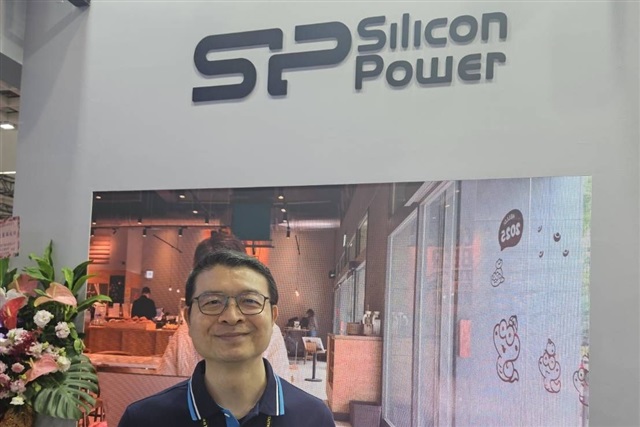
Silicon Power Chairman Hui Min Chen said cumulative first-half price increases exceeded 30%, with module manufacturers building inventories ahead of April's US tariff impact. Both memory chip and end-product prices rose before the tariff exemption expires.

While DDR4 and DDR5 maintained stable second-quarter profitability, replenishment strategies face challenges in the second half, given low consumer order visibility. The market expects strong Nintendo Switch 2 sales to boost Express Card demand, potentially replicating first-generation memory card success.

Article translated by Vyra Wu and edited by Jerry Chen
