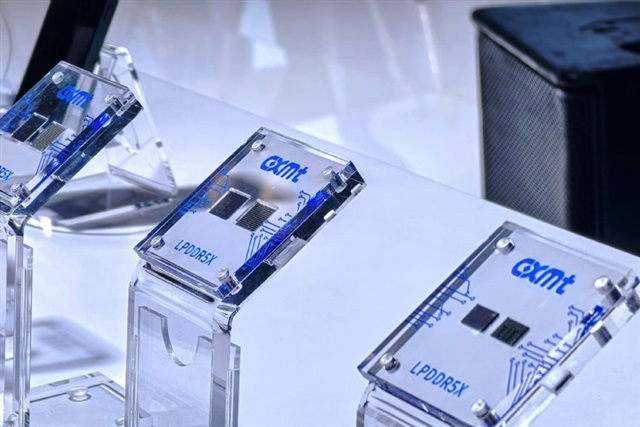
ChangXin Memory Technologies (CXMT) returned to profitability in 2025, recording its first full year of net income after a rebound in global DRAM prices and a sharp increase in the value of its chip inventory reversed years of losses. The turnaround followed an extended period of heavy capital spending and came as accelerating demand for artificial intelligence infrastructure tightened global memory supply.
Stronger orders from AI servers and high-performance computing pushed the DRAM market into a new upcycle early in 2025, lifting both contract and spot prices across major product categories. CXMT entered that recovery with DRAM inventory valued at about CNY28 billion (approx. US$4.07 billion), accumulated during the prior pricing downturn. As prices rose, the company sold those chips at materially higher levels, providing an immediate lift to margins and cash flow.
Cost overhang
The price rebound mattered because CXMT began the cycle with a heavy cost base. Years of aggressive capacity expansion and sustained technology investment drove depreciation and research expenses higher, weighing on profitability. Fixed asset depreciation reached nearly CNY15 billion in 2024 and exceeded CNY11 billion in the first half of 2025, continuing to pressure reported earnings before the market improved.
DRAM manufacturing remains capital and technology-intensive, and CXMT spent heavily to advance its roadmap toward mainstream generations such as DDR5, LPDDR5, and LPDDR5X. From 2022 through the first half of 2025, cumulative research and development spending exceeded 18 billion yuan. In earlier years, R&D costs at times accounted for more than half of revenue, well above industry norms, contributing to persistent operating losses during the company's expansion phase.
Product mix improves
That balance shifted as higher-value DRAM products began shipping at scale. The ramp of DDR5 and advanced low-power DRAM improved CXMT's product mix, while rising market prices lifted the book value of inventory produced near the bottom of the cycle. Higher utilization rates also allowed the company to spread depreciation costs across a larger revenue base, easing pressure on margins.
CXMT's customer base is concentrated among large Chinese technology companies. In cloud and server markets, the company works with domestic data center operators, including Alibaba Cloud, Tencent, and ByteDance. In personal computers, CXMT is part of Lenovo's supply chain. In smartphones, its DRAM products have completed qualification with Xiaomi, Oppo, Vivo, Honor, and Transsion, giving the company exposure across multiple end markets.
Results and outlook
As the DRAM market shifted back toward a seller-driven structure, higher prices, strong utilization, and easing depreciation pressure combined to improve operating performance. CXMT reported 2025 revenue of CNY55 billion to 58 billion and recorded a net profit for the first time, with earnings of CNY2 billion to 3.5 billion. The fourth quarter alone generated several billion yuan in profit, marking the company's first profitable quarter since its establishment and highlighting the impact of higher DRAM prices and a shift toward higher value products.
Article edited by Jack Wu