
Sino-American Silicon Products (SAS) is turning to AI-based power management as Taiwan's green-power shortage persists, and electricity demand from advanced chipmaking and AI data centers continues to rise.
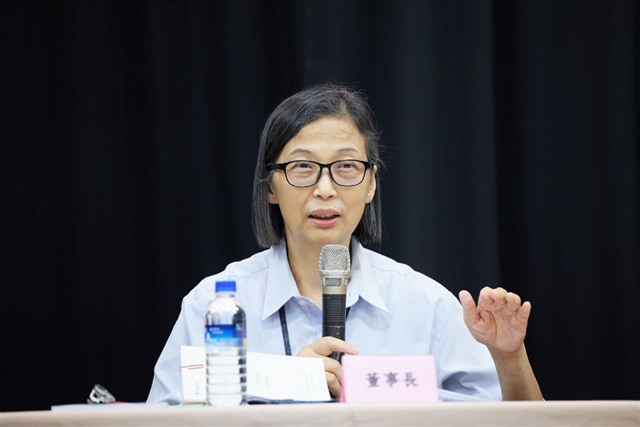
SAS Chairperson and CEO Doris Hsu said on May 26 that Sustainable Energy Solution (SES), the group's green-power trading unit, is growing rapidly and could become the fastest single company under SAS to reach NT$10 billion (US$318 million) in revenue.
The group is entering a period of rapid deployment for its energy solutions business, Hsu said. Its strategy now spans wind power, behind-the-meter energy storage, power-saving services, and AI-based electricity dispatch.
Power demand tests Taiwan's green-energy supply
The push comes as companies work toward RE100 targets, while advanced semiconductor manufacturing requires more electricity. AI data centers are also emerging as a new source of power demand.
Hsu said demand for green electricity remains strong, but corporate buyers have different purchasing needs and operating conditions. Some companies consume large amounts of power because of aging equipment, leaving them with high electricity costs that cannot be solved simply by buying renewable energy.
The best energy solution should start with cutting power consumption, Hsu said. Once companies have reduced usage as much as possible, they can then deploy smarter dispatch tools to improve efficiency.
SAS builds three-part energy model
SAS is offering energy solutions to semiconductor and other technology companies through a three-stage model.
The first step is energy-use diagnosis and efficiency improvement. SAS sends teams into customer factories to conduct in-depth assessments and propose specific ways to reduce power consumption. That can include recommending the replacement of old, high-energy chillers and calculating the return on equipment investment against future electricity savings.
The second step is the installation of behind-the-meter energy storage systems. After customers complete equipment upgrades and reach the limit of energy savings, storage systems can help shift power use across different times of day and stabilize supply.
The final step is green-power sales. Once energy-saving and storage systems are in place, SAS combines those services with its own renewable power supply, creating an integrated package covering energy efficiency, storage, and green-electricity procurement.
The approach has helped semiconductor customers, including GlobalWafers, ease pressure from green-power shortages.
AI becomes key to power dispatch
One of the biggest challenges for SAS is matching multiple renewable-power sources with multiple corporate buyers.
Hsu said the group needs to collect solar power from hundreds of rooftops. Solar generation varies depending on sunlight and time of day, and SAS also plans to add wind power, which has different generation patterns in winter and summer.
Delivering intermittent renewable energy steadily to high-tech factories that operate on 20- to 30-year contracts is a complex task, Hsu said.
To manage supply and demand more precisely, SAS's biggest priority in 2026 will be accelerating the use of AI. The group plans to use dedicated AI management software for smart-grid dispatch.
In its channel strategy, SES and Anneal Energy will continue to operate independently because they target different groups of power buyers. The structure allows SAS to compete across separate market segments.
Subsidiaries expand into new applications
SAS subsidiaries are also seeing momentum in other areas.
Actron Technology has moved beyond automotive diodes and expanded into industrial applications. Taiwan Speciality Chemicals Corporation is benefiting from demand tied to advanced semiconductor processes and is now gaining traction as part of the AI-related investment theme.
Advanced Wireless Semiconductor Company is operating steadily, but could face material shortages or cost pass-through pressure as AI demand crowds out memory capacity for smartphones.
AWSC is developing non-handset applications, including Wi-Fi, drone navigation, and high-altitude platform stations (HAPS) to diversify its market exposure.
Article translated by Sherri Wang and edited by Jerry Chen