

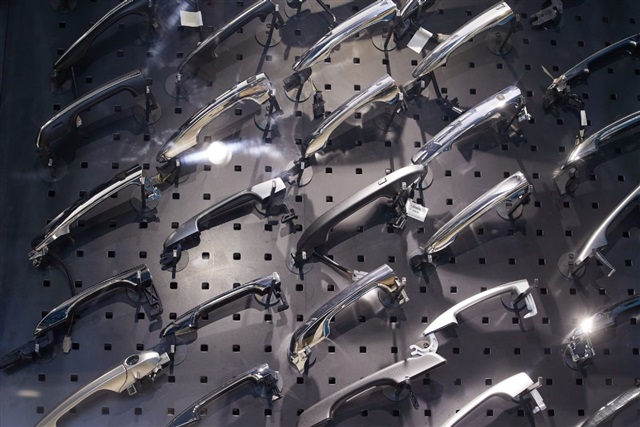
With tariff negotiations between Taiwan and the United States dragging on with no clear outcome, Taiwan's auto parts industry is feeling like it's on a roller coaster ride — uncertain, uneasy, but ultimately resigned to a wait-and-see approach.
Final stage brings heightened stakes
Industry insiders say the talks appear to be nearing the final stage, but negotiations remain fraught, particularly over tariffs on automobiles and agricultural products. The US is reportedly taking a firm stance, and the eventual outcome could have far-reaching consequences not just for Taiwan's domestic auto sector but also for its parts export industry.
"At this point, no one knows which direction this will go," said a senior executive at a major components supplier. "There's too much noise and speculation. Nothing is final until it's official."
Taiwan's auto parts manufacturers — and the carmakers they serve — emphasize that decisions on tariffs are ultimately a matter of state policy, leaving businesses with no choice but to wait. The impact will vary depending on whether the adjustments apply to vehicles made in the US or simply to American brands, a distinction that could drastically affect supply chain strategies.
Market disruption looms ahead
No matter the outcome, change seems inevitable. Industry figures predict shifts in consumer preferences in Taiwan, with the potential to disrupt the market for domestically produced vehicles. This could hit parts makers hard, especially those whose operations rely solely on supplying to local automakers.
Currently, Taiwanese exporters already face steep US tariffs — 25% on vehicles and auto parts. "The pressure is already heavy," one supplier said with a wry smile. "If the negotiations don't go well, it could get worse." Many companies had preemptively negotiated cost-sharing deals with their American clients back when Donald Trump first entered office, with many agreeing to split the additional cost or pass it entirely to buyers.
Adaptation strategies emerge
Adding to the complexity is the long lead time for product testing in the US — often six months or more, making flexibility and speed more critical than ever. In response, some Taiwanese firms have opted to establish local testing centers in the US, even footing the bill themselves. In many cases, they have taken over client testing equipment to ease investment burdens and deepen partnerships.
When asked about the unpredictable investment environment in the US, one supplier shrugged: "There's no use worrying. There are too many unknowns. What we can do is focus on protecting the core of our business."
Competitive advantages remain intact
Despite the headwinds, Taiwan's auto parts industry still sees bright spots. With a reputation for product quality and manufacturing reliability, Taiwanese firms remain strong in supplying advanced components such as cameras and sensors, increasingly standard features in vehicles, as US safety standards tighten. These products, often sold as integrated modules and closely tied to the electronics sector, are expected to remain competitive even under tougher trade terms.
Suppliers say that once the final tariff agreements are announced, they plan to re-evaluate which products are most favorable for export, in hopes of navigating around the pressure and preserving their foothold in the US market.
Article translated by Elaine Chen and edited by Jerry Chen