
CONNECT WITH US

Commentary: Why Taiwan panel makers are pivoting to semiconductor packaging

Rebecca Kuo, Commentary 0

Credit: DIGITIMES

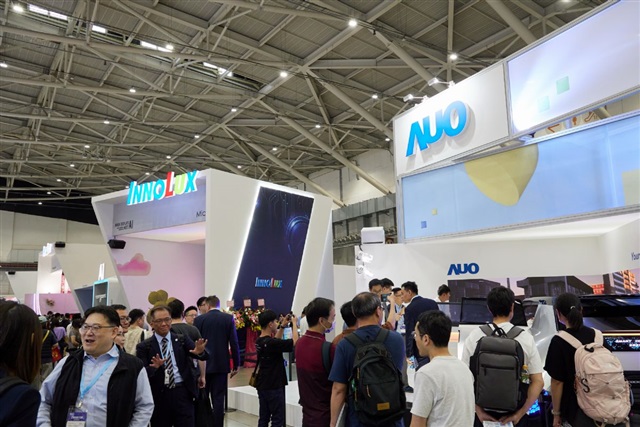
Taiwan's once-struggling panel industry is undergoing an unprecedented structural shift as major players Innolux and AUO shutter or divest legacy LCD production lines. While these moves may appear aimed at stemming losses in the low-margin LCD market, they actually represent a strategic retreat designed to reposition assets toward the booming AI chip packaging sector.

Shuttering older-generation fabs reflects panel factories' inability to compete with more efficient advanced fabs on cost. However, these facilities still hold significant value due to existing cleanrooms, robust power supplies, high-purity water treatment systems, and waste management infrastructure.

Building new advanced packaging plants can take three to five years, complicated further by environmental assessments and infrastructure setup. Acquiring old panel fabs allows rapid deployment of equipment and faster capacity expansion, providing an ideal solution for meeting surging AI-related demand.

Recent transactions illustrate this trend: Innolux sold its Southern Taiwan Science Park Fab 4 to TSMC for NT$17.14 billion (US$537.6 million), primarily to expand CoWoS packaging capacity. Meanwhile, Powertech Technology invested NT$6.898 billion to acquire AUO's L3C fab for memory and FOPLP development targeting AI, HPC, and automotive electronics markets.

These deals not only generate substantial non-operating income for the panel giants but also improve their financial structures through asset-for-cash exchanges while shortening lead times for semiconductor capacity expansion.

Beyond asset sales, closing inefficient lines enables panel makers to reallocate capital and talent.

Both AUO and Innolux are accelerating their transformations from pure panel suppliers into system integrators. AUO's acquisition of Germany's BHTC and Innolux's purchase of Japan's Pioneer aim to evolve screens beyond traditional displays into integrated terminals combining sensing, computing, and control functions. This strategy enhances display value amid growing smart cockpit applications.

Proceeds from selling outdated LCD fabs fund investments in higher-margin sectors like automotive, medical, and industrial control, offering a path out of commodity price wars.

These funds also support future technologies, including microLED, FOPLP, CPO, low-earth orbit satellites, and optical waveguides. Although current revenues from these innovations remain minimal relative to overall display volumes, they lay the groundwork for new growth avenues.

Taiwan's panel industry has cultivated extensive expertise in machinery, automation, and optoelectronics. Despite attrition over years of intense competition, remaining skilled workers can transition smoothly into semiconductor packaging and smart manufacturing roles during plant conversions. This cross-industry talent flow strengthens Taiwan's resilience in high-end manufacturing.

Collective LCD capacity reductions across Taiwan, Japan, and South Korea help rebalance the global panel market over the long term. Controlled supply contraction boosts utilization rates of remaining advanced fabs, supporting stable or rising panel prices.

Rather than viewing the closure wave as an endgame, it should be seen as a pivotal moment of asset optimization. The future success of Taiwan's panel industry will likely hinge less on shipment area metrics and more on its "gold content" within the semiconductor supply chain and integration capabilities in automotive electronics. This cross-sector evolution is redefining Taiwan's competitive edge in the panel arena.

Article translated by Charlene Chen and edited by Jerry Chen