

India and New Zealand said they have concluded negotiations on a comprehensive free trade agreement (FTA), marking one of India's fastest trade deals with a developed economy since talks were launched in March 2025, according to a statement issued by India's Ministry of Commerce.
The agreement aims to deepen trade, investment, and mobility ties, with a focus on tariffs, services, agricultural productivity, and workforce movement. Formal negotiations began on March 16, 2025, and were completed after five rounds of talks and multiple intersessional meetings.
Tariff liberalisation and goods trade
According to a press release, under the agreement, New Zealand will provide zero-duty market access on 100% of its tariff lines for Indian exports. India, in turn, has offered tariff liberalisation on around 70% of tariff lines, covering about 95% of bilateral trade value.
Indian exports expected to benefit include textiles, apparel, pharmaceuticals, leather goods, engineering products, agricultural produce, gems and jewellery, and automobiles. To protect domestic producers, India has excluded several sensitive products from market access commitments, including dairy products, coffee, sugar, spices, edible oils, onions, rubber, and certain milk derivatives.
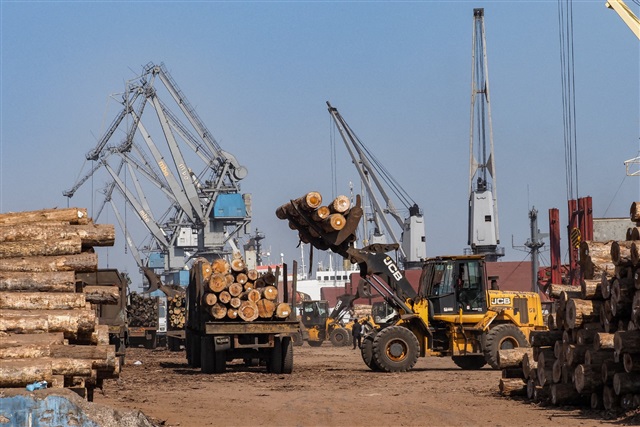
The agreement also allows duty-free imports of selected raw materials and inputs into India's manufacturing sector, such as wooden logs, coking coal, and metal waste and scrap.
Services, mobility, and visas
New Zealand has offered market access commitments across 118 services sectors, including information technology, professional services, telecommunications, construction, tourism, education, and audio-visual services. Most-favoured-nation treatment will apply to about 139 sub-sectors.
The FTA includes provisions to expand mobility for students and professionals. Indian students will be eligible for post-study work rights of up to three years for STEM bachelor's and master's degrees, and up to four years for doctoral graduates, with no numerical caps. A dedicated quota has been set for 5,000 temporary employment entry visas for professionals and 1,000 work and holiday visas.
Investment and agriculture cooperation
New Zealand has committed to facilitating investments worth about US$20 billion in India over the next 15 years, supporting manufacturing, infrastructure, services, and innovation.
In agriculture, the agreement establishes productivity partnerships through centres of excellence for apples, kiwifruit, and honey. These initiatives focus on technology transfer, research, and value-chain development. Market access for these products will be limited by quotas and minimum import prices to safeguard Indian farmers.
Broader framework
The FTA includes provisions on regulatory cooperation, sanitary and phytosanitary measures, customs facilitation, and non-tariff barriers. It also covers cooperation in areas such as pharmaceuticals, medical devices, geographical indications, AYUSH, fisheries, culture, and traditional knowledge.
Bilateral goods trade between India and New Zealand reached about US$1.3 billion in 2024–25, while total trade in goods and services stood at around US$2.4 billion. The agreement is expected to provide a more predictable framework for expanding economic ties.
Article edited by Joseph Chen