
According to European Photovoltaic Industry Association, the global solar PV system installations reached 27.7GW in 2011, up by 70% compared to 16GW in 2010. However, the solar industry did not see the benfits of the boom. Instead, the solar industry experienced price competitions, eliminations, and product dumping. In retrospect, the panic of the industry is the reason for the significant price drop in 2011. Nevertheless, the low price created the surprisingly high level of installations.
The solar industry went through a roller coaster ride in 2011 with product prices dropping around 50%. The first quarter was the best quarter in 2011.
By fourth-quarter 2011, many solar firms had been dumping inventories in exchange for cash. The lowest price quoted by Asia-based firms was seen around November. Even polysilicon firms felt the cringe of falling prices.
The price of polysilicon reached a height in third-quarter 2008 around US$500/kg. The price dropped to US$100/kg in 2009 during the financial crisis.
The large price drop in 2009 did not hurt leading firms such as US-based Hemlock, MEMC, Norway-based REC, Germany-based Wacker, Japan-based Tokuyama, Sumitomo, and Mitsubishi because the production cost was estimated around US$20-30/kg, hence the gross margins were still large. But, when the spot price of polysilicon dropped to US$20-25/kg in November 2011, this low price not only threatened the business of international leading firms, it forced many firms in China to close operations. By February 2012, about eight polysilicon firms in China are still operating while around 50 firms have suspended production.
The Germany government hopes that solar PV system installations will be around 4-5GW per year. The 7.5GW of installations in 2011 surpassed the desirable level. Hence the government has been adjusting its incentive program to finetune the market back to its desirable level of growth.
The strong growth in installations was not felt by the industry. Since second-quarter 2011, the industry has been suffering due to falling prices, incurring losses and unpredictable orders.
Some firms think that the calculation of the installations may have included off-grid systems. Even the firms that are heavily involved in the Germany market were surprised by the number of installations in 2011.
The solar industry suffered in 2011 due to lack of confidence on the firms' side. When prices started to fall, firms competed to cut quotes to obtain customers. Price competition grew more fiercely as everyone began to cut quotes.
Firms have been hoping to increase prices as demand has been returning in recent months. But lack of confidence is still deterring some firms from increasing quotes because they are afraid that clients may simply shift their orders to other suppliers who are keen to accept low quotes to keep their production running.
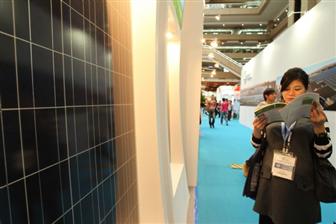
Solar firms suffered in 2011 despite growing installations
Photo: Digitimes file photo
Article translated by Jackie Chang