
Despite adjustments made in the development process of Windows 8, Microsoft claimed it has reserved space for new partners to join its Integrated Development Program (IDP).
Microsoft made the remarks while previewing the next version of Windows in Taipei on June 2. Dubbed "Partner Preview," the event was supposed to draw participation from Microsoft's supply-chain partners in Taiwan. However, it turned out to be more of a press conference – though members of the media were asked to participate in only as observers – because there were only a few companies attending the event.
Speaking at the event in Taipei on June 2, Tami Reller, corporate VP and CFO for Microsoft, said that the company is grateful to have the Taiwan-based supply chain support Windows products all the time, and is looking forward to continued cooperation with these partners on development of its new OS.
Microsoft demoed a lineup of tablet prototypes based on x86 architecture that run Windows 8, with one actually identified as an Asustek product. Michael Angiulo, corporate VP of Microsoft's planning and PC ecosystem team, said that the company is also working with Nvidia, Qualcomm and Texas Instruments (TI) on products based on ARM architecture.
Qualcomm and TI have both disclosed their new solutions designed to power devices running the next version of Windows, while other chip partners under Microsoft's IDP have not made any announcements.
There had been speculation that leading Taiwan brands including Acer and Asustek Computer were not part of a Microsoft-led program specifically for developing Windows 8 for use in tablet PCs. Chip partners involved in the program reportedly were requested to work with brands such as Dell and HP that focus on a more premium segment.
Meanwhile, some industry watchers speculate that Microsoft intends to only approach chip companies instead of all partners about developing its tablet OS initially due to insufficient human resources. In particular, working with the ARM architecture will need to go through a number of bottlenecks because of different platforms that hardware makers use in their end products, the watchers pointed out.
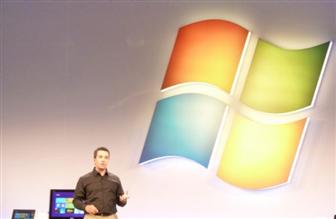
Michael Angiulo, corporate VP of planning and PC ecosystem team, Microsoft
Photo: Jill Lai, Digitimes, June 2011
Article translated by Jessie Shen