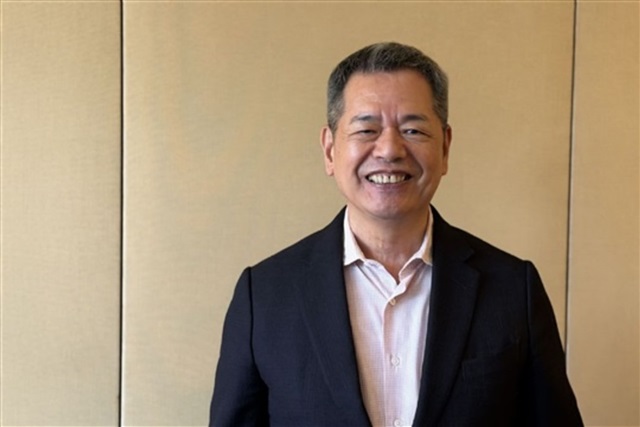
King Shing Industrial is accelerating its shift into AI-enabled mobility systems while strengthening its core automotive aftermarket business in North America. The Taiwan-based motor and cooling system maker said it is expanding into higher value applications, including unmanned aerial vehicles, autonomous logistics vehicles, and robotics, and plans to begin automated motor production in Thailand in the first half of 2026.
Automated brushless DC motor line targets early 2026 launch
Chairman Chun-Ching Shih said the company is building an automated brushless DC motor line in Chonburi, Thailand. The facility has secured approval from the Thai Board of Investment, which grants tax deductions equal to half of the project's investment amount. King Shing expects mass production to begin in early 2026.
The new line is projected to increase total output by 2.5 to 3 times and reduce per-unit manufacturing costs by 20% to 25%. Shih said greater automation will strengthen long-term competitiveness as global supply chains move toward multi-location production models.
Aftermarket strength provides stability during transition
King Shing reported third-quarter 2025 revenue of NT$225 million, an 11% increase from a year earlier despite currency pressure from the Taiwan dollar and Thai baht. Gross margin rose to 29%. The company said gross margin would exceed 31% if exchange rate effects were removed, citing gains in product mix and production efficiency.
Shih said aftermarket demand in North America remains steady, with orders typically negotiated alongside major automotive suppliers that work with the region's largest retail chains. Tariffs are usually passed through to consumers, he added, and replacement parts for the used-car market remain a resilient demand source.
Company targets UAV and AGV motors for AI logistics
King Shing is developing integrated motor and controller solutions for AI logistics platforms. The company is co-developing drive modules for automated guided vehicles and high-speed motors for drones, with some programs now in sample delivery and design validation.
Shih said the company aims to extend its BLDC technology into smart logistics, robotics and defense-related unmanned systems, which are expected to become new revenue drivers starting in 2026.
China engagement paused, spillover demand anticipated
Shih said King Shing previously qualified as a supplier to a Chinese automaker but paused the engagement due to unfavorable commercial terms. The company may revisit the opportunity once automated production begins in Thailand.
Maintaining plants in both Taiwan and Thailand gives King Shing flexibility to manage tariff risks and capture spillover demand as customers diversify away from China. Shih said these spillover effects are only beginning to emerge and could expand over the next several years.
Mexico considered for expanded North American footprint
The company is evaluating the feasibility of a manufacturing site in Mexico. Shih said any investment will depend on how the US-Mexico-Canada Agreement evolves, noting that policy clarity is essential for long-term supply chain planning in the region.
2026 outlook: double-digit growth and margin expansion
King Shing expects double-digit revenue growth in its core automotive business in 2026. It plans to increase the share of BLDC products and aims for AI and robotics-related applications to account for more than 15% of total revenue.
Shih said the company's transformation centers on improving margins, capturing gains from automation, and launching new UAV and AGV product lines to support the next phase of growth.
The company reported third-quarter 2025 net income of NT$29.97 million. Revenue for the first three quarters reached NT$876 million, with a net income of NT$84.56 million.
Article translated by Sherri Wang and edited by Jerry Chen