
Wearable players originally had high expectations about emerging IT applications, but several have started changing their strategies as most are seeing weak sales from the product line, according to sources from the upstream supply chain.
Wearable brand vendor Jawbone has recently begun a liquidation process as its sales saw trouble picking up, and may completely phase out of the market eventually.
Intel also aggressively planned its wearable product business previously, but the CPU giant has already shifted its focus and has not given any major updates for a while. Although Intel has been rumored to be looking to abolish the fitness wearable department, the company said it is still developing products for the market.
Since demand for wearable devices is weaker than expected and competition between first-tier vendors including Fitbit, Xiaomi, Apple, Garmin and Samsung Electronics, has been fierce, latecomers and smaller players are seeing trouble surviving in the market. Fitbit, which is the leading in the wearable market, has also reportedly gone through a small scale layoff, showing the difficulties to remain in the market.
The sources pointed out that Xiaomi's Mi Band has greatly impacted the smart bracelet market's balance, forcing many players to start a price war. This has caused the market to become a non-friendly sector for wearable players to join. As a result, players are more willing to compete in the smartwatch sector, where competition is still healthy.
Garmin has no interest in involving itself in price competition and instead the company is mainly focusing on enhancing its products' functionality and marketing to improve their competitiveness.
As for Samsung, the Korea-based vendor has been focusing on creating its own ecosystem and is combining all its mobile products including smartphones, wearables, 360-degree panoramic cameras, VR head-mounted displays (HMD) and smart home devices to create a complete lineup.
For example, Samsung's mobile devices are all capable of supporting Samsung Pay to allow their users to make payments more conveniently.
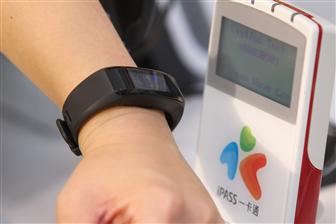
Wearable sales not as strong as expected
Photo: Shihmin Fu, Digitimes file photo
Article translated by Joseph Tsai