Samsung Electronics and SK Hynix are reportedly allocating additional or flexible DRAM production capacity to server DDR5 and other conventional memory products while maintaining high-bandwidth memory (HBM) volumes already committed to customers.
Google is reportedly developing a new chip that embeds information from its Gemini AI models directly onto the silicon to boost efficiency. If the anticipated performance gains materialize, this new design would mark a deeper integration of the tech giant's hardware and AI capabilities.
A powerful rally in memory-chip stocks has stalled as investors reconsider whether record spending on AI data centers could eventually push the DRAM market back into oversupply.
At the 2026 World Artificial Intelligence Conference (WAIC) in Shanghai, held July 17-20 across "three districts and four venues" with more than 1,100 exhibitors, one phrase recurred across vendor booths and keynotes: the "token factory".
Moonshot AI's open-source large language model (LLM) Kimi K3 has surged in popularity after its launch, drawing attention across multiple model benchmarks and forcing the company to suspend new member subscriptions after a rapid influx of users strained computing capacity. A review of CEO Zhilin Yang's March 2026 technical talk at Nvidia GTC in San Jose, California, shows K3 was not an overnight hit, but the result of months of work on model architecture and training techniques.
Taiwan's four largest motherboard brands have cut their 2026 shipment forecasts for a second time as memory and CPU shortages, rising component prices, and weaker upgrade demand deepen the PC market downturn, according to supply-chain sources.
As the AI boom keeps memory shortages running hot, steep price hikes for smartphones in the second half of 2026 are coming into view. Global market researchers have issued increasingly bleak forecasts, warning that "chipflation" could last through 2027 and that surging memory prices are already lifting the cost of consumer devices.
China's smartphone industry is turning agentic AI into its next growth narrative, with ZTE's Nubia, StepFun and Honor presenting sharply different visions of how phones should plan tasks, coordinate apps and process personal data.
Samsung Electronics is cutting over 800 jobs in the US from its smartphone, display, and consumer electronics business units. The division, part of Samsung Group, is facing a challenging market this year, in contrast to the soaring performance of its chip unit.
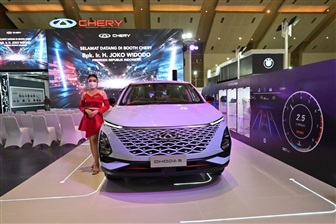
The world's biggest automakers are losing their long-held advantage as weaker demand, tariffs, and fierce competition reshape the market. For global readers, the shift signals a more cautious era for cars, where survival, restructuring, and overseas expansion may matter more than size, scale, or legacy brand power.
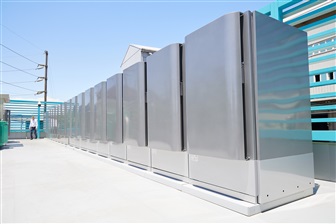
Huawei Technologies is becoming an increasingly important supplier to the global energy transition, expanding beyond telecommunications into solar inverters, battery storage, and electric vehicle charging.
Taiwan's Legislative Yuan reviewed four versions of a special bill for drone procurement on the 16th but reached no conclusion, leaving the measure pending further deliberation. The debate centered on how much of each drone should be made in Taiwan and whether production and storage sites should be spread across regions to protect combat capability.
Taiwan's legislature has moved toward stronger backing for drone research and production following a political shift in June, as the government seeks to close a capability gap in its defense buildup. The Executive Yuan had proposed an eight-year special defense budget of NT$1.25 trillion (US$38.7 billion), but the Legislative Yuan approved an opposition-backed version that capped spending at NT$780 billion, NT$470 billion below the Cabinet's proposal.