Tower Semiconductor plans to make Japan its largest manufacturing base for optical communications semiconductors after expanding silicon photonics (SiPh), silicon germanium (SiGe), and advanced packaging capacity in the Hokuriku region, as demand from AI data centers accelerates.
China's smart glasses sector is experiencing explosive growth, driven by shifting consumer habits, rapid technological advancements, and strong policy backing. However, beneath the surface lies a fundamental divide: while lightweight AI and AR glasses are surging, the once-popular audio-only glasses market is shrinking.
Chunghwa Telecom (CHT) announced on September 18 that the nearly 300km-long Taiwan-Matsu submarine cable has been completed, landed, tested, and has officially been added to the Taiwan-Matsu external communications network. The project strengthens communications resilience for the outlying Matsu Islands by adding a third route with redundant backup and improving service stability for residents and public services.
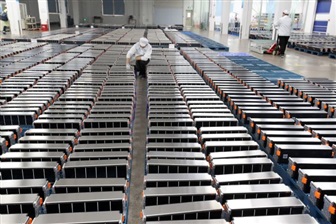
For years, the global EV industry has been characterized by a persistent trend to diversify its manufacturing footprint beyond China. As automotive manufacturers struggle to survive the procurement battle, the fault lines stemming from a concentrated market have proved difficult to escape, with critical battery materials remaining overwhelmingly concentrated among Chinese suppliers.
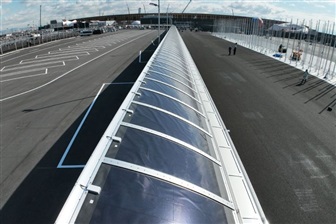
China has introduced its first national standard for perovskite photovoltaics, a move that could improve how solar performance is measured and compared worldwide. The new rules are likely to support industry transparency, help investors assess progress more accurately, and speed commercialization by reducing inconsistencies in testing data across markets.
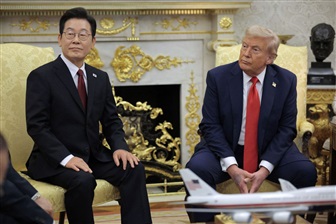
South Korea and the US have hit an impasse in final-stage investment talks over commercial viability safeguards, with South Korean President Lee Jae-myung saying that some parts are hard to accept. The deadlock is raising concerns that the months-long negotiations over South Korea's investment plans in the US could collapse.
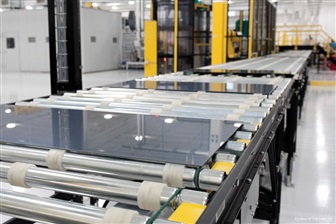
US-based First Solar, best known for thin-film solar production, plans to withdraw its Section 337 complaint under the Tariff Act of 1930 and resume patent lawsuits against rivals. Market observers say the company still wields significant firepower in the US TOPCon patent war.
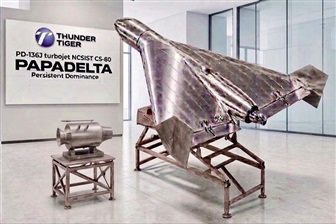
Following the Legislative Yuan's passage of the Act on Strengthening Defense Autonomy and Developing the Unmanned Vehicles Industry and its subsequent countersignature by the Executive Yuan, Taiwan's drone industry is preparing for a potential new wave of government procurement, with tenders possibly emerging by the end of 2026. While the expected domestic orders could provide a boost, Taiwanese drone manufacturers are also accelerating overseas expansion to diversify their customer base and reduce reliance on local procurement.
China's PC monitor market is entering a period of sharper structural divergence, with commercial demand offsetting part of a weakening consumer segment while rising component costs push manufacturers toward higher-value products.
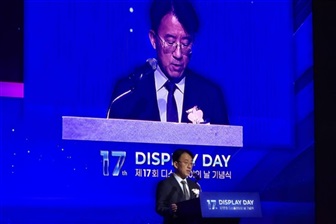
Facing aggressive expansion by Chinese competitors, Samsung Display (SDC) president and Korea Display Industry Association (KDIA) chairman Chung Yi expressed strong confidence in SDC's foldable panel capabilities. However, he warned that rival nations are funneling funds and expertise gained during the LCD era into OLED development. He called on South Korea to unite industry, government, academia, and research sectors to prevent a repeat of the loss of market leadership that occurred in the LCD industry.
Samsung Electronics will reportedly slash quantum-dot (QD) LCD TV production in 2026 to 2 million to 3 million units, down as much as 80% year-over-year, while it also plans to gradually scale back Neo QLED output and potentially stop production as early as 2028. The move shifts the company's LCD TV focus toward Mini LED models without QD.