TGV still faces technical barriers; CoPoS commercialization not likely until 2030
The Semiconductor Report provides structured analysis of the global semiconductor industry, covering technology development, manufacturing, packaging, testing, and supply chain dynamics. The report examines key market trends across logic ICs, memory, advanced packaging, semiconductor equipment, and materials.
It tracks industry developments from chip design and foundry operations to emerging technologies such as AI accelerators, chiplet architectures, and advanced process nodes. The report serves as a practical reference for understanding the evolution of the semiconductor ecosystem and its impact on global technology markets.
Please enter at least 2 characters.

TGV still faces technical barriers; CoPoS commercialization not likely until 2030

Megawatt AI Racks: Infrastructure Evolution & Wide-Bandgap Power Semiconductor Opportunities by 2030

Competing Paths in Data Center Optics: XPO Could Beat CPO to Mass Production in 2027

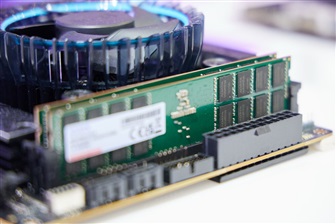
Memory makers' revenues are estimated to hit another record high in the second quarter of 2026; The US, Japan, and South Korea launch new product competitions, while Taiwanese players continue to pursue niche market momentum.

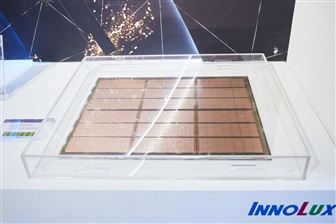
Panel makers' FOPLP strategies vary, with Innolux being the most active. AUO utilizes RDL technology to develop emerging applications such as satellite antennas.

Taiwan and China's wafer foundry industry off-season was not slow, and the price hike effect will drive up cross-strait industry revenues in the second quarter of 2026 and full-year 2026.

Global smartphone AP shipments in the second quarter of 2026 are estimated to see a yearly decline of 15.2% as memory price hike pressure emerges.

Global wafer foundry revenue in 2026 is estimated to grow 23.5% year-over-year, expected to reach US$250 billion.

Major OSAT providers accelerate 2.5D/3D advanced packaging deployments in US, Japan, South Korea, and Malaysia with non-Taiwan capacity footprint to expand.

Taiwan foundry revenue growth expected to reach 30% 2026; strategic adjustments initiated for mature processes.