

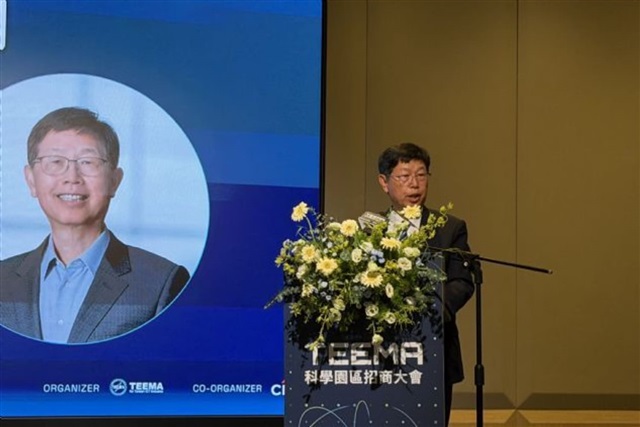
Taiwan Electrical and Electronic Manufacturers' Association (TEEMA) on July 21 held an investment briefing in Taiwan on its Mexico science park plan, bringing together representatives from Mexico and Sonora state as it advanced a project aimed at helping Taiwanese small- and medium-sized enterprises expand overseas. The initiative was highlighted as part of a broader push to give smaller suppliers a more direct path into foreign markets.
TEEMA said the overseas science park concept took shape two to three years ago after executives identified a gap between the support available to large manufacturers and the barriers faced by smaller firms abroad. The association said local governments overseas also have limited resources when courting investment, since officials must approach companies one by one and can only match with a limited number of firms.
As a result, TEEMA wants to act as an intermediary platform that connects small businesses with resources while also easing the workload for host governments. The association said Mexico responded faster than other countries and showed the strongest support, making it the first location selected for the overseas science park plan.
TEEMA outlined three priorities for the park: giving large, medium and small tenants similar treatment; creating a single service window so companies can handle permits and local government coordination more easily; and building Taiwan-style living services, including familiar food and daily amenities, to reduce adjustment costs for staff posted overseas. The association said the park is designed to bring together large companies, small firms, governments, financial institutions, and overseas partners into an industrial cluster that can lower barriers to overseas investment.
The association also said the effort comes as global industry is being reshaped by geopolitics, tariffs, supply chain restructuring, and the rapid rise of AI. TEEMA said competition is increasingly determined by the integration of supply chains, manufacturing, energy, logistics, talent, and services, and that Taiwanese companies need to expand overseas together rather than operate alone to preserve global competitiveness.