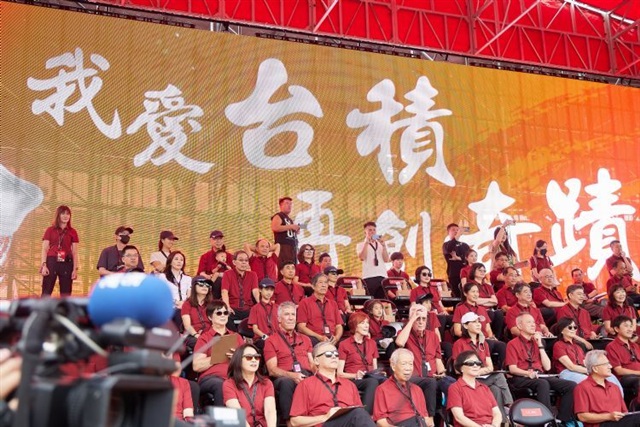
Taiwan Semiconductor Manufacturing Company (TSMC) will reportedly cut employee bonuses by 15%, prompting some employees to voice dissatisfaction on social media. They argued that while TSMC's profits have soared, the share allocated to employee bonuses has decreased rather than increased, with some employees threatening to follow Samsung Electronics' union with a strike to fight for their rights.
TSMC responded that it is fully aware of its growing corporate social responsibility in Taiwan and said it would allocate a greater share of profits toward social sustainability initiatives to give back to Taiwan.
TSMC thanked employees for their contributions and said that, alongside corporate growth in 2026, it is confident that employee profit-sharing bonuses, which are based on performance evaluations, will see a higher annual growth rate than in 2025. The company added that it believes employees' bonuses will continue to increase as the business develops steadily in the future.
Separately, regarding the recent strike by the Samsung union and growing dissatisfaction among TSMC employees over the company's bonus system, with some employees not ruling out forming a union and staging protests, GlobalWafers chairperson Doris Hsu said recently that whether a union is established is not a key factor in determining a company's competitiveness or operational performance.
Across its operations spanning 18 factories in nine countries, GlobalWafers said that some locations have labor unions while others do not, with arrangements primarily determined by local regulations and industry culture.
Using the US as an example, GlobalWafers said union culture varies significantly from state to state. While in some states unions wield strong influence, in others they are nearly absent. However, that does not mean companies without unions perform worse, or that companies with unions necessarily operate better.
Hsu said the key issue is whether a company is willing to share profits with employees, care for workers, and foster harmonious labor-management relations, rather than whether a union exists.
Based on GlobalWafers' experience, the presence or absence of labor unions is not the determining factor in business performance. Overall, Taiwan's technology sector already provides relatively comprehensive employee care, and labor-management relations have generally remained agreeable.
Article translated by Eifeh Strom and edited by Joseph Chen