
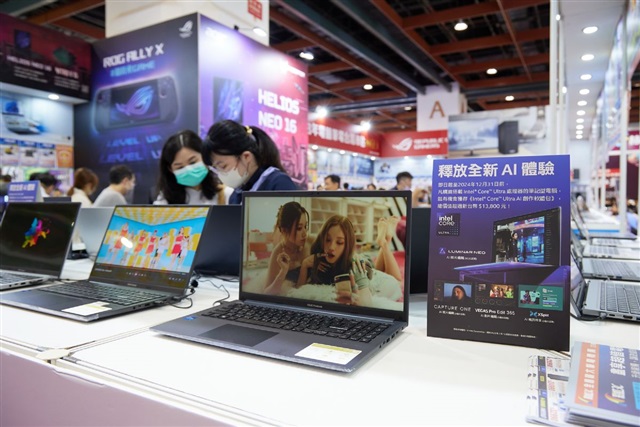
A prolonged shortage of memory and storage components—driven largely by the rapid expansion of artificial intelligence infrastructure—is expected to weigh heavily on the global personal computer market in 2026.
AI's appetite squeezes the supply chain
According to forecasts released in March 2026 by the research firm Omdia, worldwide shipments of desktop computers, laptops, and workstations are projected to fall 12% to about 245 million units this year. Desktop shipments are expected to decline 10% to roughly 53.2 million units, while laptop shipments could drop 12% to around 192.2 million.
The downturn is being fueled by a sharp rise in the cost of memory and storage. Reporting by the technology news site The Register cites data showing that prices for these components had already climbed between 40% and 70% in 2025. In the first quarter of 2026, costs could increase by another 60% or more, potentially accelerating the contraction of the PC market.
The supply squeeze reflects a broader shift within the semiconductor industry, where chipmakers are increasingly prioritizing higher-margin components for AI servers. Demand for enterprise solid-state drives built on NAND flash memory has surged as cloud providers race to expand AI infrastructure, leaving fewer components available for consumer devices.
Ripple across the market
The strain is already visible across the supply chain. Sony has reportedly stopped accepting orders for certain CFexpress and SD memory cards, while smaller PC manufacturers are facing mounting risks of being squeezed out of the DRAM supply market.
Lower-cost computers are expected to suffer the most. PCs priced below US$500 could see shipments fall 28% to roughly 62.1 million units, as rising component costs make it difficult for manufacturers to maintain margins while keeping prices low.
By contrast, higher-end machines appear more resilient. PCs priced above US$900 may even see modest shipment growth, as buyers with more urgent computing needs are often willing to accept higher prices.
According to Ben Yeh, chief analyst at Omdia, consumers purchasing higher-end systems are more willing to absorb price increases, pushing the market's price structure upward even without meaningful improvements in specifications.
Windows bears the brunt; HarmonyOS a bright spot
The impact will vary across operating systems. Devices running Microsoft Windows—which account for roughly 83% of global PC shipments—are expected to decline 12% in 2026 as they bear the brunt of tightening memory and storage supply.
Machines powered by ChromeOS could face the steepest drop, with shipments projected to fall 28%, reflecting their heavy presence in price-sensitive education markets.
Computers running macOS, produced by Apple, are expected to decline by a comparatively modest 5%, supported by the company's vertically integrated supply chain and focus on higher-end devices.
Meanwhile, PCs running HarmonyOS could expand rapidly from a low base, with shipments potentially increasing tenfold.
Kieren Jessop, a research manager at Omdia, said the trend could accelerate as Huawei intensifies efforts to build out its PC ecosystem in China.
No quick fix in sight
Industry analysts caution that relief may take years. Even as major memory manufacturers such as Samsung Electronics and SK Hynix expand production capacity—particularly at facilities in China—the additional output could take several years to materially ease the shortage.
For now, the boom in AI computing appears set to reshape the economics of the PC industry, shifting supply toward higher-margin infrastructure and leaving traditional personal computers facing rising prices and shrinking volumes.
Article edited by Jerry Chen