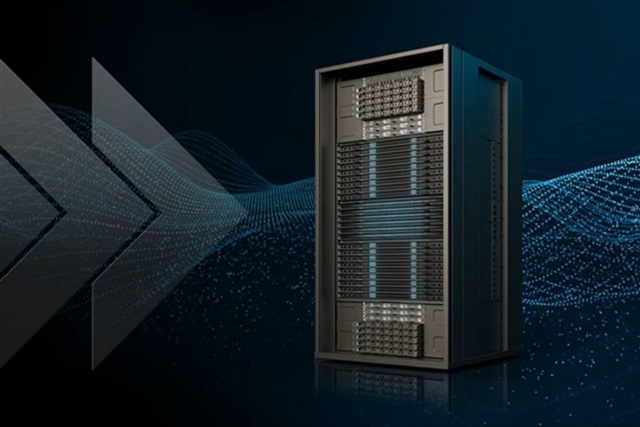
At CES 2026 in Las Vegas, AMD showcased its expanding portfolio of AI-focused products and underlined the company's vision for the future of computing. According to AMD's official press release, the keynote—delivered by chair and CEO Lisa Su—framed the company's roadmap around the theme of bringing "AI everywhere, for everyone," from data centers and PCs to edge devices and embedded systems.
Helios platform targets massive AI workloads
A centerpiece of AMD's CES showcase was the "Helios" rack-scale AI infrastructure platform. Built on AMD Instinct MI455X GPUs, AMD EPYC "Venice" CPUs, and high-speed interconnects, Helios is designed to deliver up to multiple AI exaflops of performance in a single rack—marking AMD's bold step toward supporting massive AI workloads for cloud and enterprise customers.
Expanding the Instinct accelerator lineup
In addition to Helios, AMD expanded its Instinct accelerator lineup by unveiling the Instinct MI440X GPU for enterprise on-premise deployments and previewing the MI500 Series, slated for broader performance gains in the future. Although Nvidia's market dominance would be difficult to dent, according to analysts cited by Reuters, AMD's moves signal its intent to compete more aggressively in AI training and inference infrastructure.
Ryzen AI platforms enhance everyday computing
The keynote also showcased new AMD Ryzen AI platforms, including the Ryzen AI 400 Series for desktop and laptop systems. These chips integrate robust neural processing units (NPUs) to accelerate local AI tasks alongside traditional CPU and GPU workloads, aiming to enhance everyday experiences from productivity to gaming.
Su emphasized the accelerating adoption of AI technologies and AMD's strategy to support this evolution with a comprehensive compute ecosystem. The company highlighted that current global compute capacity—measured in zettaflops—is poised to expand significantly over the next several years and that AMD's products will play a central role in enabling that growth.
Article edited by Jerry Chen