
CONNECT WITH US
Sign out

Foldable phone shipments expected to grow 30% in 2026, with Apple capturing 20% share

, Taipei
0

Credit: Apple

Foldable phones are emerging as one of the rare growth areas in an otherwise stagnant global smartphone market. According to market research firm IDC, foldable devices are projected to represent over 10% of the worldwide smartphone market value by 2029. Apple Inc. is expected to enter this segment in 2026 with its first foldable iPhone, anticipated to capture more than 22% of global foldable shipments and 34% of revenue in its debut year.

IDC forecasts that global shipments of foldable phones will increase to 20.6 million units in 2025, up approximately 10% from about 18.7 million units in 2024. In comparison, foldable models constituted only around 1.5% of the 1.2 billion smartphones shipped in 2024. Further growth is expected in 2026, supported by new foldable launches from Samsung Electronics and Huawei Technologies, with the segment's annual growth rate projected to reach 30%. Overall, IDC estimates a compound annual growth rate of roughly 17% for foldables through 2029, considerably outpacing the sub-1% growth rate forecasted for traditional smartphones.

Samsung and Huawei adopt distinct approaches to capture foldable market share

Samsung plans to advance its foldable lineup with the Galaxy Z Trifold model in 2026, following the Galaxy Z Fold 7's sales momentum in 2025. Meanwhile, Huawei is leveraging its HarmonyOS Next operating system to grow foldable shipments in China and select international markets, mitigating pressures from challenges faced by its other smartphone product lines.

Despite their small share of total smartphone shipments, foldables command an average selling price roughly three times that of conventional smartphones. This premium pricing enables manufacturers to achieve higher revenue and profit margins, encouraging investment in innovative components such as advanced processors, flexible displays, and improved camera systems.

Apple's anticipated foldable iPhone debut could influence consumer perceptions

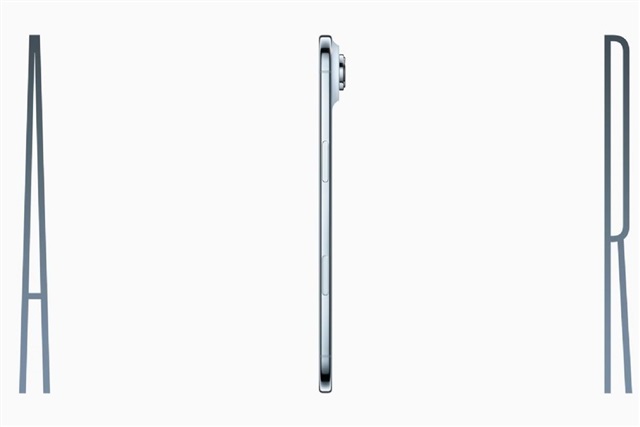
Apple's first foldable iPhone, the iPhone Fold, is on track to launch with the iPhone 18 series in the late third quarter or fourth quarter of 2026, according to DIGITIMES analyst Luke Lin. The device will have a left-right "book-style" fold and measure around 7 to 8 inches when unfolded. With flagship iPhone Pro Max models priced at US$2,000, the foldable is expected to start at US$2,499. Despite its high price, Lin predicts that Apple could ship 6 to 7 million units in its first quarter, likely making it the leading foldable phone and surpassing Samsung. However, Chinese brands would still hold over half of the global foldable market.

Reports from Apple Insider and MacRumors also indicate that Apple plans to launch its foldable iPhone alongside the iPhone 18 Pro in fall 2026, with an estimated average price near US$2,400. Positioned for premium consumers interested in novel form factors and expansive screen real estate, the device is seen as a potential catalyst for greater acceptance of foldable smartphones. Its proprietary hardware and iOS integration are anticipated to optimize multi-window functionality, smooth interface transitions, and multitasking capabilities during folding and unfolding.

Uncertain prospects limit foldables' mainstream future for now

Despite promising growth, the widespread adoption of foldables remains uncertain. Extended smartphone upgrade cycles and consumer fatigue over incremental improvements have encouraged manufacturers to bet on foldable and tri-fold designs to stimulate replacement purchases. However, many users still gravitate toward lower-priced traditional smartphones that offer mature camera performance, longer battery life, and more predictable depreciation in value.

For Apple, foldables currently represent a niche product with high pricing but limited sales volume and profit contribution. The company's diversified investments in spatial computing, wearables, and premium traditional smartphones highlight that the foldable iPhone's long-term viability will hinge on its official launch and actual market reception in the coming years.

Article translated by Jingyue Hsiao and edited by Jack Wu