
CONNECT WITH US
Sign out

China's self-driving car push spurs safety concerns as BYD leads market

, DIGITIMES, Taipei
0

Credit: AFP

Chinese automaker BYD plans to dominate the world's largest car market in 2025 by making smart driving technology accessible in vehicles below CNY100,000 (approx. US$13,780), triggering rivals Geely and Changan to accelerate similar offerings. Industry sources confirm China's advanced driver assistance systems currently max out at Level 2+, requiring constant driver attention despite marketing that suggests otherwise.

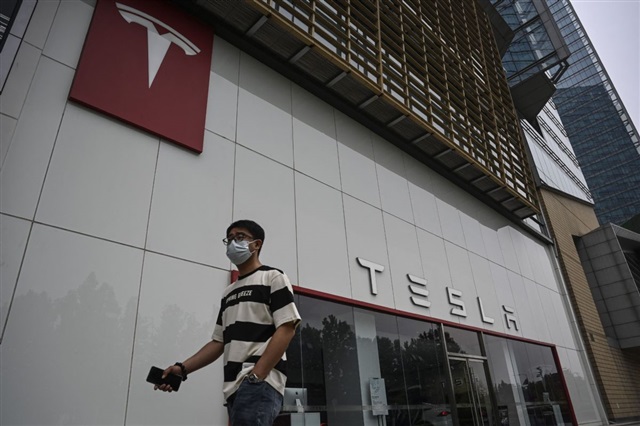
Misleading terminology has created dangerous consumer misconceptions about autonomous capabilities, contributing to numerous accidents. Tesla, long criticized globally for its autopilot branding, recently renamed its systems in China to comply with regulations, dropping "autonomous" terms. Its Full Self-Driving package is now marketed as "smart assisted driving function," but remains priced at CNY64,000.

Chinese media report increasing accidents from driver fatigue and system misuse as companies race to democratize smart driving features. Safety experts demand clearer functional boundaries and enhanced driver education.

"Only at Level 3 can drivers legitimately disengage attention in specific scenarios, with manufacturers accepting greater liability," said one industry insider, explaining why few companies have fully implemented this technology despite marketing claims approaching Level 3 and 4 capabilities.

China lacks comprehensive autonomous driving regulations, with current frameworks limited to demonstration projects. Meanwhile, advanced features like lane-keeping and automatic following have created a false sense of security among drivers, who often become distracted during monotonous monitoring.

When accidents occur, most manufacturers currently assume only Level 2 responsibilities, leaving drivers primarily accountable in legal disputes.

Article edited by Jack Wu