


CONNECT WITH US
Sign out

TSMC to enjoy robust HPC processor demand in data-driven era

, Hsinchu
0

Credit: DIGITIMES

TSMC is set to enjoy robust demand for HPC processors in the data-driven world of 5G, AI and the metaverse, as the foundry's advanced sub-7nm process manufacturing attracts orders from Intel, AMD and Nvidia, according to industry sources.

Intel, AMD and Nvidia are all eyeing opportunities arising from AI-driven virtual and other emerging technologies that come together to support the so-called metaverse, the sources said. TSMC is being regarded as an important role in their processor roadmaps that will fit into the concept of the metaverse.

Nvidia is expected to place orders for its next-generation processors slated for launch in 2022 with TSMC, the sources indicated. As TSMC provides stable manufacturing yield rates and competitive process manufacturing, Nvidia will move to rely on TSMC for its next-generation 5nm and 3nm processor series requiring more computing power and performance stability, the sources said.

Nvidia in its blog published in August talked about the metaverse and introduced its simulation and collaboration platform dubbed Omniverse to support all ideas brought by the metaverse.

AMD announced recently Meta (Facebook) is the latest major hyperscale cloud company that has adopted AMD's EPYC CPUs to power its data centers. AMD already supplies processors to vendors such as Amazon, Microsoft and Alphabet-owned Google.

TSMC is already the foundry partner of AMD and will fabricate AMD's next-generation EPYC processor series using 5nm process technology, according to industry sources.

Intel unveiled earlier this year that significant elements of its new graphics products will be manufactured using TSMC's N6 and N5 process technologies. The upcoming graphics products are the Intel Arc, a new gaming discrete SoC based on the Xe HPG microarchitecture, and Ponte Vecchio, Intel's Xe HPC microarchitecture for HPC and AI workloads.

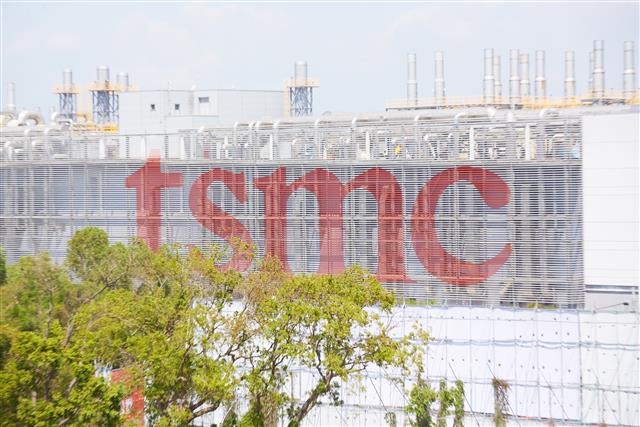
TSMC gearing up for HPC chip boom

TSMC gearing up for HPC chip boom
Photo: Michael Lee, Digitimes, November 202`

Article translated by Jessie Shen
