

India expanded manufacturing incentives, entered private orbital launches, attracted new investment, and faced smartphone demand pressures amid rising component costs.
India approves two electronics manufacturing clusters in Tamil Nadu
India's central government has approved two Electronics Manufacturing Clusters (EMCs) in Tamil Nadu, at Manallur and Pillapaikkam, with a combined project cost of INR10.12 billion (US$104.75 million), in a move aimed at strengthening the state's electronics ecosystem and advancing the country's self-reliance drive. Union Minister for Electronics and Information Technology Ashwini Vaishnaw announced the approvals in a written reply in the Lok Sabha on July 22, 2026.
India joins private-launch club as low-Earth-orbit race widens beyond the US and China
India now has a homegrown, privately built ticket to orbit, and its arrival lands squarely in the middle of a low-Earth-orbit (LEO) contest that until recently was framed as a two-power race between the US and China.
India's smartphone shipments fall as memory costs bite
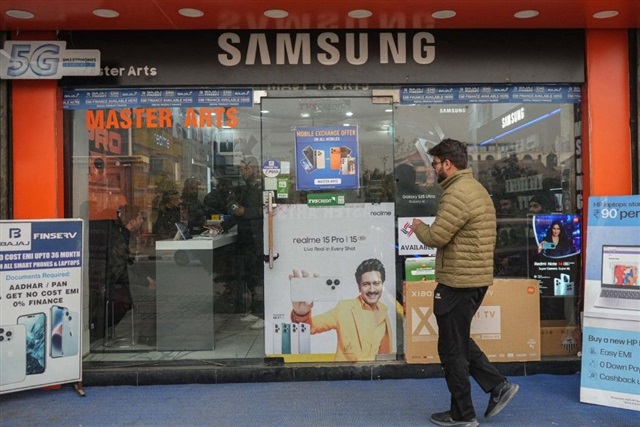
India's smartphone market was hit by a sharp second-quarter decline that may matter well beyond the country's borders, as higher component costs lifted prices and dampened demand. The drop underscores how global memory shortages, inflation, and weaker spending are reshaping handset sales, especially in value-driven markets across Asia and emerging economies.
Seoul Semiconductor weighs India LED plant to tap ISM 2.0 incentives
South Korea's Seoul Semiconductor, one of the world's largest optoelectronics makers, is assessing plans to build a manufacturing plant in India and is in early talks with several state governments. The move would make the LED specialist a candidate to become the first major Korean chip-manufacturing project to follow India's revamped incentive push.
Article edited by Jerry Chen