


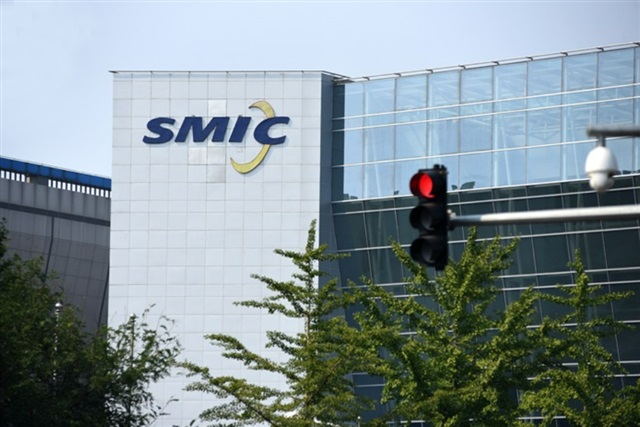
China's largest contract chipmaker, SMIC, says orders for mature-node memory and BCD processes are running at full capacity, pushing prices higher as AI demand tightens supply across the semiconductor industry.
In a recent investor disclosure, SMIC said memory and Bipolar-CMOS-DMOS (BCD) processes are in short supply, with customers scrambling for capacity even as demand in parts of the consumer electronics market remains weak.
According to Chinastarmarket.cn and JW View, SMIC expects tight supply to extend into 2026, supported by China's supply-chain localization push and the growing replacement of overseas chips with domestically produced alternatives.
AI-driven demand squeezes traditional electronics supply
SMIC said the current memory cycle differs from previous upturns because AI infrastructure and data center expansion are the main demand drivers. Rising AI workloads are absorbing large volumes of memory supply, diverting chips from traditional sectors such as smartphones and home appliances, leaving manufacturers facing tight supply and higher memory prices.
While some device makers attempt to pass rising component costs on to consumers, higher retail prices are weakening end demand, reducing lower-end chip orders while boosting demand for AI, memory, and higher-end semiconductor applications, SMIC said.
Industry sources say the pressure is already visible across the supply chain, with chip designers receiving urgent orders from customers seeking production slots as foundry capacity tightens.
SMIC said demand has lifted utilization across memory, BCD, analog chips, microcontrollers (MCUs), and advanced display driver ICs, segments where the company has built strong technology and customer portfolios.
Mature-node supply tightens
On the supply side, SMIC said some competitors have exited or reduced mature-node production, shrinking industry capacity and tightening the market. With supply shrinking and demand rising, SMIC said prices for memory and BCD processes are increasing, while commodity products such as CMOS image sensors (CIS) and LCD driver ICs remain stable, with newer chip designs gaining pricing strength.
Rapid-iteration products such as Wi-Fi chips, LCD drivers, and AMOLED drivers are gaining pricing power, while standardized legacy chips continue to face gradual price declines.
SMIC said it will prioritize next-generation and iterative chips in R&D, engineering, and capacity allocation to strengthen pricing control and average selling prices (ASP).
Tight supply also reflects expanding demand from AI computing, data centers, edge devices, and China's automotive supply chain, all of which require large volumes of memory and power-management chips built on mature nodes.
Memory shortage may persist despite new capacity
SMIC said memory shortages may persist for several years as global technology companies accelerate data center expansion.
Memory configurations in servers and smartphones can easily expand, meaning demand rises with computing power. As the AI industry builds infrastructure for the next decade of computing demand, supply shortages may persist in the near term, SMIC said.
SMIC said new wafer fabs could bring partial relief once production ramps up, as facilities begin supplying memory wafers to smartphones, PCs, wearables, and other consumer electronics.
As capacity ramps, inventory held by intermediaries may return to the market, potentially easing shortages within nine to twelve months, SMIC said.
SMIC results mirror demand shift
SMIC's financial results already reflect the shift toward AI-driven semiconductor demand.
SMIC reported unaudited 2025 revenue of CNY67.32 billion (US$9.8 billion), up 16.5% year on year. Net profit attributable to shareholders reached CNY5.04 billion, up 36.3%, while profit excluding non-recurring items rose 55.9% to CNY4.12 billion.

Credit: DIGITIMES
SMIC said supply-chain localization and domestic chip substitution will continue to create growth opportunities for China's semiconductor ecosystem.
The company added that it will expand capacity in high-growth segments and respond to urgent demand, aiming to sustain revenue growth into 2026 despite uneven consumer electronics demand.

Credit: SMIC
Article edited by Jerry Chen
