
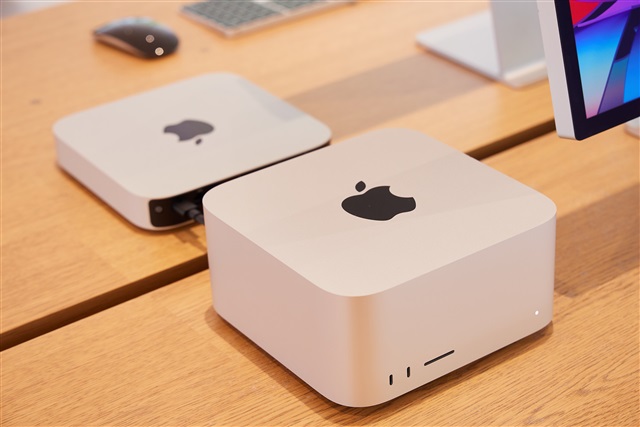
Apple will move part of its Mac Mini desktop computer production from Asia to the US, marking another step in its broader effort to localize manufacturing, according to The Wall Street Journal. The initiative will begin later in 2026 at a Foxconn facility in north Houston, where Apple already assembles AI servers.
Sabih Khan, Apple's chief operating officer, stated that the company is converting a 220,000-square-foot warehouse into manufacturing space for the Mac Mini, while expanding the site to include a training center for advanced manufacturing. The center will offer instruction to students, supplier employees, and others in Apple's production techniques.
The move forms part of Apple's broader pledge, announced in August 2025, to invest US$600 billion in the US over four years. That commitment followed pressure from the Trump administration to expand domestic manufacturing, with participating companies receiving tariff exemptions in return. The administration has continued to encourage technology companies to reshore production, particularly for high-value electronics, as part of a wider strategy to reduce dependence on Asian supply chains.
Although the Mac Mini accounts for less than 5% of Apple's global Mac sales and under 1% of total company revenue, according to Consumer Intelligence Research Partners, the product has gained renewed interest among developers and users running AI-related software locally. US production will initially focus on meeting domestic demand, while Asia will remain Apple's primary manufacturing base for the device.
Apple's Houston expansion also aligns with its growing investments in AI infrastructure. According to The Information, Apple has ramped up spending on data centers and AI server assembly to support its expanding suite of generative AI services, with Foxconn playing a key role in server manufacturing.
Nikkei Asia previously reported that Foxconn has accelerated US capacity expansion to meet rising demand from American tech customers seeking to diversify away from China-centric production.
This is not Apple's first attempt at US-based Mac manufacturing. The company opened a facility in Austin, Texas, in 2013 to assemble the high-end Mac Pro, but production there later declined. Khan stated that Apple is more confident about the Mac Mini's long-term demand, citing its broader appeal and lower price point.
Article edited by Jack Wu