
CONNECT WITH US
Sign out

TSMC pushes back on Japan fab delay rumors, keeps options open

Chiang, Jen-Chieh, Taipei
0

Credit: AFP

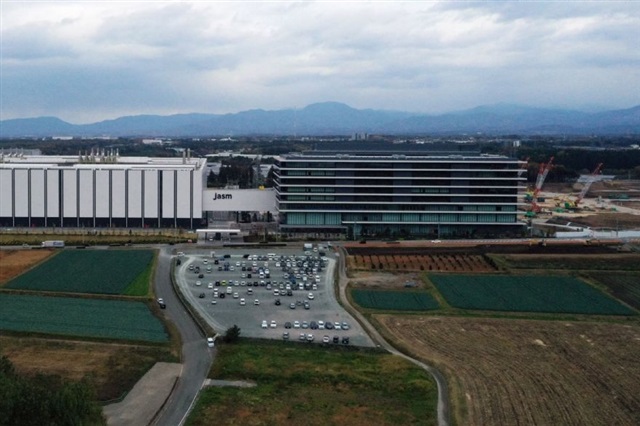
According to Nikkei, Yuichi Hotta, president of TSMC's Japan Advanced Semiconductor Manufacturing (JASM), confirmed on December 19 that construction of the second wafer fabrication plant in Kikuyo Town, Kumamoto Prefecture, is continuing. This statement counters recent reports by Japanese media suggesting the project had stalled.

Speaking at the Semicon Japan 2025 semiconductor exhibition, Hotta emphasized that work on the second fab remains in progress. However, he indicated that detailed discussions with partners concerning construction timelines and plans are still ongoing. The reported stall was linked to TSMC's potential shift from the originally planned 6nm process node to a more advanced 4nm technology aimed at AI chip production. This adjustment reflects a strategic response to slower demand growth for automotive and mobile logic integrated circuits (ICs) and an increased focus on AI chips amid the global AI industry boom.

This shift has raised concerns about possible delays to the fab's initial mass production target of 2027. Hotta did not provide specific details about any change in process technology during his remarks, leaving the final direction uncertain.

Regarding the ongoing operations of JASM's first wafer fab, which began at the end of 2024, Hotta reported that manufacturing cycle times now match the operational standards of TSMC's sister fabs in Taiwan. This facility produces chips using 12nm, 16nm, 22nm, and 28nm process technologies.

Additionally, JASM has outlined plans to significantly increase domestic procurement of semiconductor materials in Japan, aiming to raise the rate to 60% by 2030. This rate was 46% in 2025 and is projected to surpass 50% in 2026 as part of efforts to localize supply chains. The company's commitment to increasing local sourcing aligns with broader industry trends towards enhancing semiconductor supply resilience.

Article translated by Jingyue Hsiao and edited by Joseph Chen