CONNECT WITH US
Sign out

As Nissan struggles, Foxconn offers a manufacturing lifeline

Daniel Chiang, Seoul
0

Credit: AFP

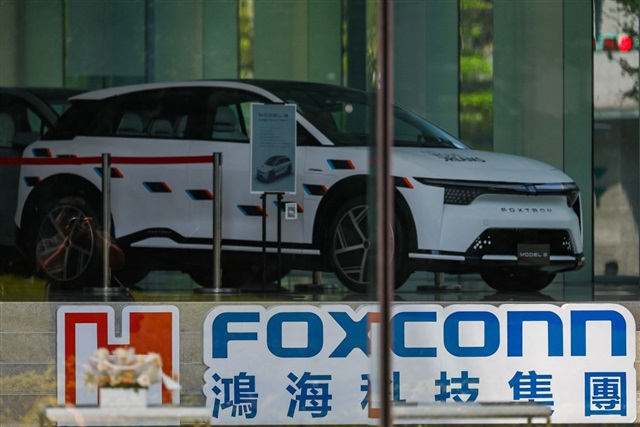
Hon Hai Precision Industry, better known as Foxconn, is signaling a strategic shift toward electric vehicles through partnership rather than acquisition. Chairman Young Liu confirmed that the company is exploring collaboration with Japanese automakers like Nissan via its Contract Design and Manufacturing Service (CDMS) model. While Foxconn has held discussions with Renault—the largest shareholder in Nissan—its aim is firmly anchored in cooperation, not ownership.

Foxconn's push into the automotive world is gaining real momentum. Its EV subsidiary recently signed a memorandum of understanding with Mitsubishi Motors. Under the agreement, Foxconn will oversee design and development while leveraging Taiwan's MIH modular EV platform to produce Mitsubishi-branded electric vehicles. Production, slated to begin in Taiwan, is expected to reach markets such as Australia and New Zealand by late 2026.

To further chase opportunities—and reassure industry partners—Foxconn hosted a high-profile EV strategy seminar in Tokyo in April. There, Jun Seki, chief strategy officer (CSO) of the EV business and a former deputy COO of Nissan, outlined the company's vision of broadening collaborations within the Japanese auto sector, including potential alignments with Nissan and Honda.

Nissan, for its part, appears open to reassessing partnerships in the wake of collapsed merger talks with Honda. Recent reports suggest Foxconn is exploring the acquisition of Nissan shares from Renault if it becomes necessary to facilitate collaboration, but reiterated that equity purchase remains secondary to the goal of strategic cooperation.

Further indications of growing ties surfaced in July, when Reuters reported that Foxconn is in discussions to produce its EV models at Nissan's ailing Oppama plant—potentially saving 3,900 jobs while giving Foxconn a foothold in Japanese auto manufacturing.

This CE-to-EV transition is part of a broader transformation Foxconn envisions. Structurally, the CDMS model embodies a novel paradigm in automotive production: akin to OEMs sourcing custom printed circuit boards, automakers would retain branding while outsourcing design and manufacturing to tech integrators like Foxconn.

Yet strategic questions remain. Investors and analysts alike lament that Foxconn's heavy reliance on Apple, shifting US trade policies, and the fragmented and competitive nature of the EV market all cloud the path ahead.

Article translated by Elaine Chen and edited by Joseph Chen