

CONNECT WITH US
Sign out

Taiwan trade negotitations holds firm amid Trump's threat of 100% chip tariffs

, Taipei
0

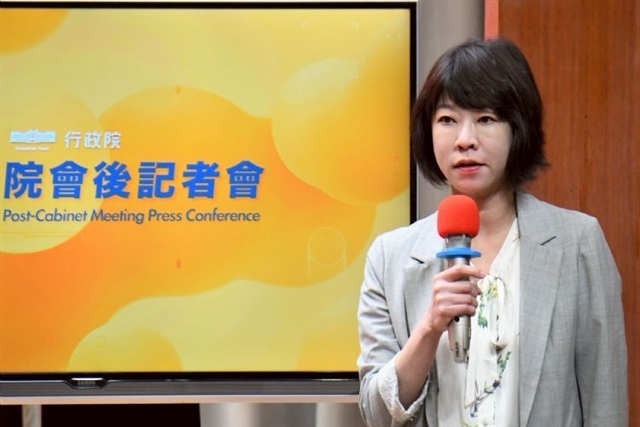
Huai-shing Yen, deputy trade representative at Taiwan's OTN. Credit: the Executive Yuan

US President Donald Trump announced a new semiconductor tariff policy on August 6, 2025 (EST), officially declaring that tariffs under Section 232 will be imposed on chips and semiconductors. Deputy trade representative Huai-shing Yen of Taiwan's Office of Trade Negotiations (OTN) stated that Trump's mention of a 100% tariff on semiconductors was made in passing during Apple CEO Tim Cook's announcement of US investment and is not a formal executive order. She emphasized that Taiwan's negotiating team will continue to discuss reciprocal tariffs, Section 232, and supply chain cooperation with the US — this will not affect Taiwan's negotiation strategy or pace.

Details remain unclear

Yi-Jen Li, partner lawyer at PwC Taiwan's Customs Administration, explained that while the new policy announces the expected tariff rate and exemption conditions, it lacks many details. For example, whether semiconductor manufacturing equipment, notebooks, smartphones, and other end products covered in prior Section 232 investigations will be taxed has not been disclosed. In addition, exemption thresholds for company investments and the calculation methods for tariffs await further announcements from the White House and the US Customs and Border Protection (CBP).

According to Trump, the new tariffs will apply to all chips and semiconductors imported into the United States. However, if a company already has a plant in the US, or has committed to future US production, it may be exempt from the tariffs. Trump also added that if a company claims it will build a plant in the US but fails to fulfill the commitment, the US will retroactively calculate and collect owed tariffs, stressing that this is a measure that is guaranteed to be enforced.

Standards based on US manufacturing presence

KPMG noted that this additional tariff measure is being executed under Section 232 of the US Trade Expansion Act of 1962 and is not targeted at specific countries. Instead, the standard is whether semiconductor-related companies have set up factories in the US.

Ellen Ting, deputy head of KPMG's Tax Division, clarified that Trump has not yet issued a formal executive order on the 100% semiconductor tariff. Therefore, the exemption standards, the range of taxed products, and the implementation timeline remain unclear. Manufacturers are closely monitoring further regulatory announcements.

India faces additional tariffs

On the same day, the White House announced that due to India's direct or indirect import of Russian oil, the US will impose an additional 25% tariff on Indian products exported to the US, effective within 21 days. This will raise the tariff on Indian exports to the US to 50%. This move will significantly impact India's main exports such as textiles and auto parts. However, computers, peripherals, and communication equipment remain exempt from the latest US tariffs, providing some flexibility for Taiwanese businesses operating in the Indian market and exporting to the US.

Companies await formal implementation details

Typically, following Trump's declarations, the White House issues a formal executive order that outlines concrete implementation details. Additionally, the CBP establishes a series of implementation guidelines and technical bulletins, including clear specifications on which products are subject to tariffs and customs declaration procedures. Companies are advised to closely follow such announcements to plan response strategies in advance.

Article translated by Emily Kuo and edited by Jerry Chen