

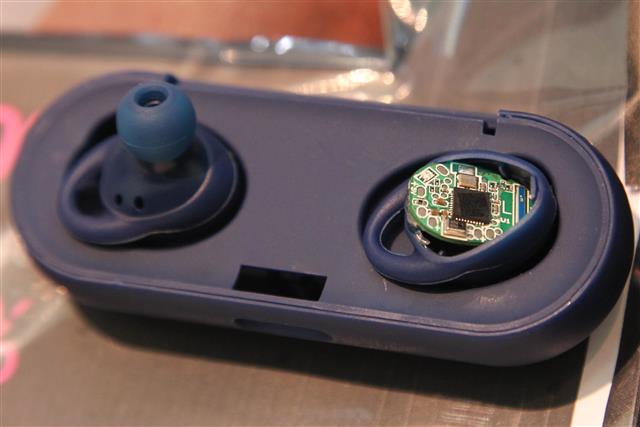
The global market for TWS earbuds and other devices has been expected to expand sharply in 2020, but certain component shortages due to the coronavirus outbreak are hitting its supply chain and may dampen shipments to terminal markets, according to industry sources.
Robust sales of AirPods in 2019 have driven many brand vendors of smartphones and earphone sets to jump on the bandwagon of TWS devices. Counterpoint Research has estimated that global TWS earphones shipments will surge 91.6% on year to 230 million pairs in 2020 and will register a high CAGR of 80% during 2019-2022.
But components suppliers, though with abundant orders in hand and having readied 1-2 months of materials inventory, are suffering severe labor shortages due to epidemic-caused low rates of returning employees, supply chain sources said.
The sources said that as a major cluster of electronics components makers in China, Kunshan in Jiangsu province has enforced a temporary ban on return of employees from Hubei province, the epicenter of the outbreak, and nine cities in other provinces with higher numbers of virus infections. Two thirds of Kunshan's 2.5 million population are non-natives. Employees returning from other places are all subject to a 14-day quarantine, and once any returning employee is found carrying the virus, all plants in question have to be shut down immediately.
As a result, components plants operating in Kunshan can only operate at low capacity, and all they can do is try to appease their clients, strengthen anti-virus measures and keep recruiting employees, the sources noted.
Among them, Taiwan-based SYNergy ScienTech, dedicated to production of small-size lithium-ion polymer batteries (LIPB) for TWS and other wearable devices, maintains a capacity utilization rate of only 20% at its Kunshan plant after it was allowed to resume operation on February 17, the sources continued.
The company has set up a new plant adjacent to its existing one in Kunshan for production of button batteries for AirPods Pro, but the official run of the new capacity, originally set to start in second-quarter 2020, may be deferred till the epidemic eases, with equipment installation already suspended, the sources said.
Article translated by Willis Ke