
CONNECT WITH US
Sign out

Quanta sees initial success in smart medical care, says chairman

, Taipei
0

Quanta Computer has achieved significant progress in investments it made in smart medical care over a year ago, understanding more about what role it can play through communication with firms in the sector, according to company chairman Barry Lam.

As there has been little communication between IT and medical sectors, Quanta had difficulty communicating with the medical care industry at the beginning, Lam said. Through an internal AI medicine project, Quanta has capitalized on its own resources in algorithm, big data, cloud computing and device and retained outside medical professionals to join Quanta Medical Foundation in a bid to establish a platform for communication between IT and medical care sectors to boost development of smart medical care, Lam noted.

Quanta has resources for developing smart medical care from Quanta AI Lab, Quanta Research Institute - which is in close cooperation with MIT - Quanta Cloud Technology, and its own medical product business unit, Lam said, adding Quanta Medical Foundation is intended to boot AI-based hospitals, Lam added.

Application of AI to medical care has to be comprehensive instead of focusing on just individual items of the entire medical care process, Lam noted.

The AI-based smart medical care sector mainly consists of biomedical R&D of new pharmaceuticals, AI-based hospitals and long-term health care.

Quanta can provide various hardware solutions for smart medical devices, smart telemedicine and smart hospitals, Lam indicated, adding it hopes to promote precision medicine on oncology and cardiology through Quanta Medical Foundation.

For developing smart medical care, Quanta has been in cooperation with several large hospitals in Taiwan, including Taipei Veterans General Hospital, Kaohsiung Medical University Hospital, Chang Gung Memorial Hospital, National Taiwan University Hospital and National Cheng Kung University Hospital, Lam noted.

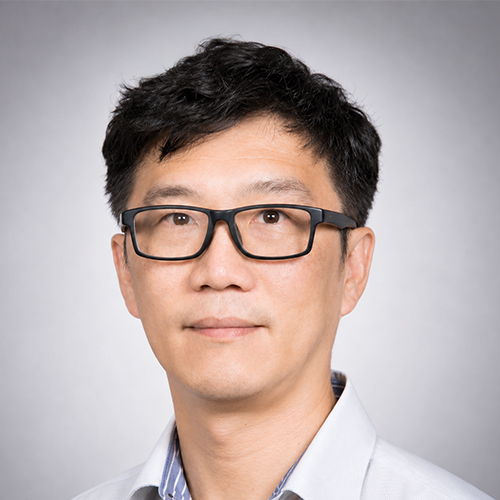
Quanta chairman Barry Lam
Photo: Michael Lee, Digitimes, October 2019

Article translated by Adam Hwang