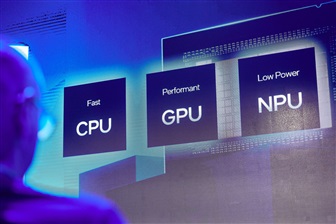
Expanding investment in AI data centers is putting pressure on memory supply and demand across the automotive industry. As semiconductor companies prioritize high-bandwidth memory (HBM) and server products, automotive memory faces rising prices and tighter supplies, making automakers' direct procurement, long-term partnerships, and in-house chip design increasingly strategic.
German automakers maintained overall sales in the US during the third quarter, but that momentum came mainly from gasoline-powered vehicles. In the battery electric vehicle (BEV) market, BMW, Mercedes-Benz, Volkswagen, Porsche and Audi face three challenges: falling sales, a shrinking BEV market and diverging brand performance.
South Korean autonomous delivery company NT1 plans to begin assembling Chinese-designed delivery vans locally in 2027, gradually adding Korean-made components as it seeks approval to operate the vehicles on public roads.
South Korean automotive supplier SL is considering deploying its mobile dual-arm robot at a US factory in 2027 or 2028, potentially marking the system's first overseas deployment, a company representative said in an interview with DIGITIMES at FIX 2026 in Daegu on October 24.
South Korean vehicle engineering company KAR plans to develop a monitoring system for the electronic controls it installs in autonomous vehicles, seeking recurring maintenance revenue as the country expands robotaxi trials.
Chinese automakers achieved record sales in Europe in September, doubling their monthly volume to 194,800 vehicles and capturing an unprecedented 14.6% market share. Beyond their expanding model portfolios, the surge appears to reflect accelerated shipments ahead of potential European Union restrictions on Chinese hybrid vehicle imports, expected to take effect in 2027.
Since Elon Musk publicly confirmed that Tesla and SpaceX are evaluating a potential merger, the prospect has stirred widespread speculation over what could become the largest corporate transaction in history—and whether combining two of Musk's biggest technology platforms would actually create value beyond the sprawling ecosystem they already share.
Bosch Group plans to establish Bosch Mobility as a wholly owned, legally independent subsidiary in August 2027, separating the business that generated about 60% of group revenue. The move will complete the restructuring of Bosch's four major business areas and leave the parent company focused on strategic oversight and centralized research and development.
LG Energy Solution (LGES)'s Wroclaw plant in Poland, long viewed as a major drag on the business, is nearing profitability after posting an operating loss of nearly KRW600 billion (approximately US$430 million) in 2025. A surge in European EV demand and the early conversion of some production lines to energy storage system (ESS) applications have lifted utilization, putting the plant on track to return to profit in the fourth quarter of 2026.
U-Power, Taiwan's ultra-fast electric vehicle (EV) charging operator, has applied to list on the Taipei Exchange as the country's expanding EV population supports expectations for sustained charging demand. The company, which plans an emerging-stock listing in early November, reported higher first-half revenue but remained unprofitable as it continues investing in infrastructure.
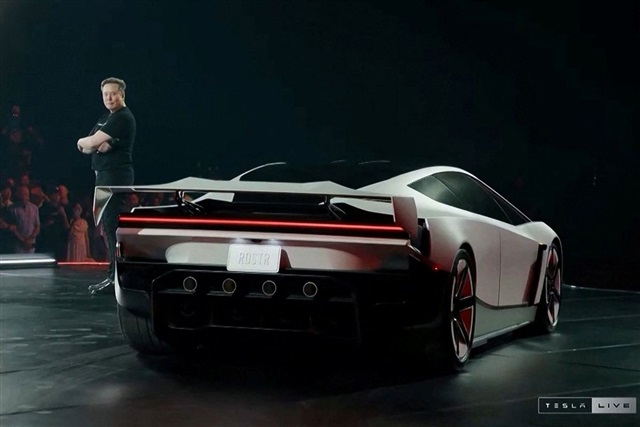
Tesla unveiled its new Roadster, equipped with rocket-style thrusters, on October 15 and announced plans to begin production in 2028, more than a decade after the second-generation prototype was first showcased.
More coverage