

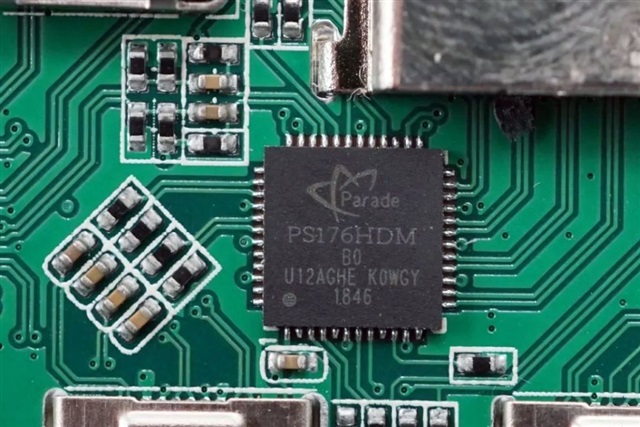
Parade said its second-quarter 2026 results were squeezed by a sudden increase in back-end testing and packaging costs, but the high-speed interface chip designer remains confident about demand going forward. For global readers, the takeaway is that rising memory prices are reshaping notebook and PC supply chains, yet AI-driven upgrades could still support growth ahead.
Revenue climbs despite margin squeeze
The company reported revenue of US$134 million for the second quarter of 2026, up 6.61% from the previous quarter and 0.73% from a year earlier. Gross margin fell to 40.2%, down 0.09% sequentially and 2.91% year on year, while operating profit rose 10.5% quarter on quarter to US$19 million, though it declined 17.97% from a year earlier.
By product mix, about 30% of revenue came from display driver products, 45% from high-speed interface chips, slightly more than 10% from timing controller products, and slightly less than 15% from TT integrated chips.
Design wins lift third-quarter forecast
For the third quarter of 2026, Parade forecast revenue of roughly US$139 million to US$153 million, gross margin of 40% to 44%, and operating expenses of US$33 million to US$36 million. The company said its view was somewhat more upbeat than some peers because its tTED triple-in-one integrated chip for notebooks won several new design wins in the second quarter, lifting revenue more than expected.
Parade said that momentum should continue into the third quarter of 2026 as notebook makers increasingly adopt more integrated designs and add touchscreen features, helping the company expand both market share and silicon content in the segment. It also said the traditional seasonal peak for notebooks still exists, although fourth-quarter demand will be important to watch.
Full-year target hinges on fourth-quarter demand
On full-year 2026 guidance, Parade said it still hopes to reach its earlier target of high-single-digit to 10% growth, but acknowledged that DRAM price increases have hurt customers more than it had expected at the start of the year. So far, only gaming models have shown countertrend growth, leaving the company dependent on whether fourth-quarter demand can deliver enough momentum to secure at least a few percentage points of growth for the full year.
To offset margin pressure, Parade said it is negotiating with customers to share higher costs and pass some of the increases into product pricing. It is also seeking more cost-effective back-end testing and packaging capacity, which it expects will help gross margin recover gradually over the next few quarters.
Looking to 2027
Looking further ahead, Parade said it has already discussed the 2027 PC market with major OEM customers. While 2026 demand remains restrained by DRAM price hikes, the company believes 2027 could improve as consumers seek better notebook performance for edge AI applications, while mini PCs and workstations may also gain traction.
Article translated by Jingyue Hsiao and edited by Jerry Chen