CONNECT WITH US
Sign out

Commentary: Intel's ASIC play fails to impress chipmakers

, Commentary
0

Credit: DIGITIMES

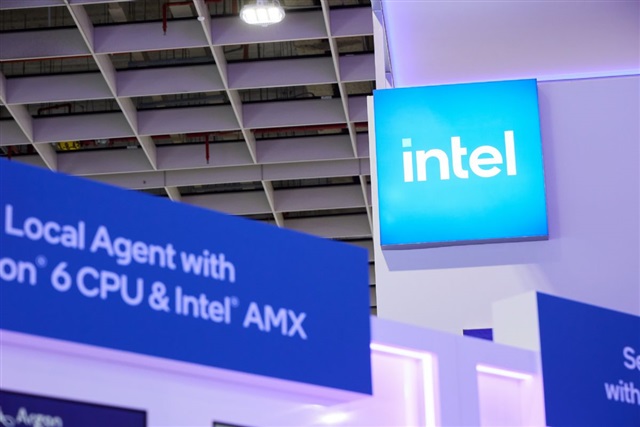
Following an internal R&D overhaul, Intel has rolled out its application-specific integrated circuit (ASIC) business to establish a fresh revenue stream beyond CPUs and GPUs. The company is banking on decades of x86 IP accumulation and its integrated device manufacturer (IDM) model to challenge top IC design rivals such as Nvidia, AMD, Broadcom, Marvell, MediaTek, and Alchip.

Industry insiders remain unfazed by Intel's latest ambition. While many welcome added competition, they believe Intel's entry is unlikely to shake up the existing ASIC landscape, especially in the cloud AI segment, where most players still see little cause for concern.

IDM advantage under scrutiny

Supply chain sources say Intel's limited success in high-performance computing (HPC) remains its core weakness. Its foundry unit continues to lag behind TSMC in advanced process reliability, and its CPUs and GPUs have yet to gain a competitive edge in cloud computing.

Nvidia continues to dominate the AI market, with AMD rapidly narrowing the gap. Both enjoy significantly more partnerships and visibility than Intel. In the ASIC field, established leaders like Broadcom, Marvell, MediaTek, Alchip, and Global Unichip already hold firm positions, leaving Intel with limited leverage to alter the market dynamic anytime soon.

Industry veterans note that both standard compute chips and ASICs already benefit from mature supply chains. Most ASIC vendors rely on entrenched collaborations within the TSMC ecosystem and its backend partners. In this context, Intel's attempt to present its IDM integration as a differentiator seems less persuasive.

x86 openness could decide fate

IC design experts argue that the comparatively closed x86 ecosystem poses a disadvantage to Intel's ASIC ambitions, particularly in the cloud AI market, where openness has become a key differentiator.

Major clients have grown accustomed to the flexibility of Arm and RISC-V designs. Unless Intel loosens the reins on x86, customers may shun its less customizable solutions. How far Intel is willing to open its architecture could determine its competitiveness in this segment.

Be that as it may, Intel has yet to clarify whether its ASIC plans target the cloud AI segment directly. Sources believe that if the firm instead focuses on enterprise-grade, high-performance custom CPUs rather than advanced AI ASICs, it could still attract some orders, albeit along a different competitive path.

Entry harder than it looks

Industry observers agree that the ASIC market's real test lies in execution, not entry. Enterprise demand for AI acceleration remains the core battlefield, yet hyperscalers like Google already lead with in-house ASICs powering TPU services, leaving little room for latecomers.

Though the fact that more traditional chipmakers are entering the field signals market maturity, it also heightens competition. Analysts highlight that success depends on whether clients can ramp up production on schedule, a hurdle easier said than done.

Frequent changes in AI workloads or shifting compute demands often trigger redesigns or production delays. Compared with the threat of new entrants, these operational challenges remain the greater stumbling block for established vendors.

Article translated by Levi Li and edited by Jerry Chen