

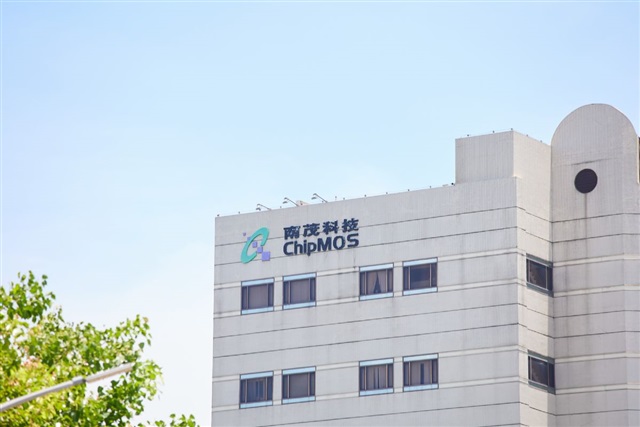
Memory packaging and testing company ChipMOS faced a net loss of NT$533 million (US$17.8 million) after tax in the second quarter of 2025, impacted by rising overall costs and New Taiwan dollar appreciation. Chairman Shih-Jye Cheng stated that starting from the third quarter, ChipMOS will increase prices for memory-related packaging and testing services by 5-18%.
This adjustment aims to reflect higher expenses in substrates, materials, and electricity, which are expected to improve profitability. If exchange rates stabilize, foreign exchange loss pressures should also ease significantly, supporting a cautiously optimistic outlook for the third quarter.
ChipMOS reported slightly increased revenue of NT$5.735 billion in the second quarter, up 3.7% quarter-over-quarter but down 1.3% year-over-year. However, sluggish end-consumer demand, New Taiwan dollar appreciation, higher electricity fees, and cost increases led to a gross margin of 6.6%, declining 2.8pp quarter-over-quarter and 7.4pp year-over-year. Operating income fell sharply to NT$21 million, down 81.7% quarter-over-quarter and 94.3% year-over-year.
The net loss attributable to the parent company reached NT$533 million, representing a quarter-over-quarter decline of 402.4% and 218.3% year-over-year—marking ChipMOS's first quarterly loss on record.
The New Taiwan dollar appreciation caused approximately NT$690 million in foreign exchange losses, eroding about 1.5pp of gross margin. Summer electricity costs rose by around NT$100 million compared to the first quarter, further reducing gross margin by roughly 1.6pp. Additionally, rising gold prices contributed to increased costs.
Capacity and utilization metrics
Capacity utilization stood at 65% in the second quarter, below 69% from the previous year but above 62% in the first quarter of 2025.
Testing utilization was steady at 67%, matching last year's level and improving from 61% in the first quarter. Assembly utilization was 64%, slightly lower than 65% a year ago but up from 55% earlier this year. LCD driver utilization dropped to 66% from 75% year-over-year but improved from 65% in the first quarter. Wafer bumping utilization was 63%, below both the first quarter and the same period last year at 65%.
Memory products accounted for 45.3% of sales in the second quarter, increasing 21.2% quarter-over-quarter and 17.6% year-over-year. Driver ICs and gold bumping made up 44.7%, with revenues decreasing 9.4% quarter-over-quarter and 17.9% year-over-year.
Cumulative revenue for the first half of 2025 totaled NT$11.268 billion, a slight increase of 0.35% year-over-year. Gross profit declined 43.42% to NT$897 million, operating income fell 81.38% to NT$137 million, and net loss reached NT$356 million, marking a turnaround from profit in 2024.
July revenue hit NT$1.965 billion, down 4.72% year-over-year but up 6.28% month-over-month, ranking as the third-highest monthly figure in 2025. August is expected to maintain similar levels, contributing to a positive revenue outlook for the third quarter.
Memory products growth outlook
Looking ahead, ChipMOS highlighted stronger growth momentum in memory products compared to driver ICs.
Although end-market consumer demand remains cautious and early pull-in orders are limited, memory customers are replenishing inventories. Demand for DDR4 and DDR5 modules has notably increased, NAND flash remains stable, and price adjustments have been implemented from the third quarter onward to offset raw material cost hikes.
Regarding display driver ICs (DDIC), ChipMOS anticipates benefits from increased mobile phone product stocking, with OLED demand improving. Automotive panel demand remains relatively stable, mixed-signal ICs show steadiness, while small-size and mobile segments appear weaker.
Article translated by Charlene Chen and edited by Jingyue Hsiao