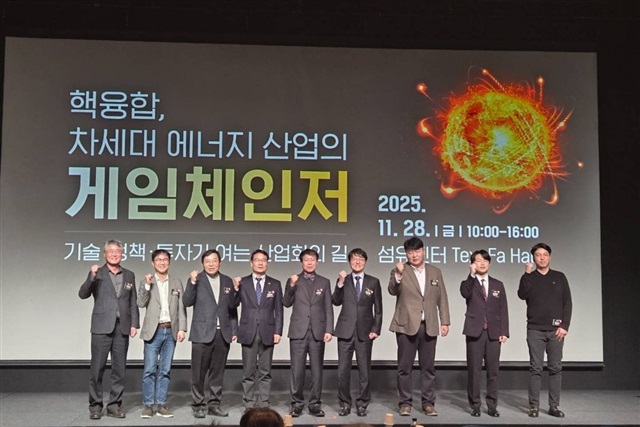
Amid a global push for carbon neutrality and soaring electricity demand, nuclear fusion is moving back into the spotlight—not as a distant scientific aspiration, but as a potential near-term solution. With major reactor projects delayed and energy needs growing, countries are reassessing the traditional Tokamak-based R&D path and seeking faster, more agile alternatives.
Academia Sinica, the highest academic institution in Taiwan, announced on December 10 that it has successfully discovered a deep geothermal heat source nearly 4,000 meters underground in a northeastern region of the country in collaboration with the state-owned CPC oil and gas company.
The global power equipment supply chain is facing a transformer shortage due to the unrelenting AI data center construction and demand for renewable energy. Delivery times for key equipment have been significantly extended, with some large transformers requiring as long as 24 months. This not only tests grid resilience but also creates challenges for major tech firms urgently seeking new power capacity.
Taiwan has set a goal for 30% of its energy to come from renewable sources by 2030, but the solar power sector is encountering mounting policy and public pressure that could slow its growth. After the Legislative Yuan passed three legal amendments regarding new solar power developments, foreign investors and local developers alike are concerned that the tighter regulations will increase uncertainty and hinder development in the solar industry in 2026.
Linde LienHwa, Taiwan's largest industrial gas supplier, opened two hydrogen refueling stations with CPC Corporation as the government prepares new incentives to build out hydrogen infrastructure and support early pilot projects. The LLH Tree Valley Demonstration Hydrogen Refueling Station in Tainan and CPC's Nanzih station in Kaohsiung are the first facilities of their kind to enter operation in Taiwan and are expected to anchor the country's initial hydrogen mobility trials.
China's dominance of the global polysilicon market is forcing the industry into two divergent paths: domestic consolidation to manage a swelling glut, and US-backed overseas production to diversify supply chains. The trend highlights a deepening geopolitical divide over a material essential to both solar manufacturing and high-purity semiconductor applications.
United Microelectronics (UMC) has opened an NT$1.8 billion (approx. US$58 million) circular economy center at its Tainan campus, launching an in-house facility that will convert semiconductor waste into reusable industrial materials as part of the company's long-term sustainability plan.
Yulon Mobility Group (YMG) subsidiaries Carplus and Singan, known for their steady operations in automotive, travel, and vehicle services, are pursuing future strategies centered on ESG and AI.
Benefiting from solid order momentum across its technology and consumer-related business groups, cleanroom electromechanical integrator Acter Group posted consolidated revenue of NT$3.73 billion (US$119.6 million) in November 2025, up 20% year-over-year. Consolidated revenue for the first 11 months of 2025 reached NT$37.43 billion, up 41% year-over-year, with both setting new historical highs for the same period. Facility engineering projects for clients in semiconductors, electronic components, cloud computing, and general consumer sectors have been steadily recognized according to Acter's schedule. Demand for cleanroom upgrades and retrofits in existing factories continues to climb and increase business.
As the end of 2025 approaches, Tesla has returned to the solar market and relaunched its residential solar leasing business. Active across renewable energy, AI, autonomous driving, and robotics, Tesla is making a major push before the Trump administration removes the 30% residential solar tax credit under the Inflation Reduction Act (IRA) at the end of the year. It is betting on an upcoming rush of early purchases.
Taiwan's offshore wind sector has crossed a pivotal threshold as Walsin Energy Cable System (WECS), a subsidiary of Walsin Lihwa Group, has officially inaugurated its submarine cable plant in Kaohsiung. The launch completes the last major segment of the nation's offshore wind supply chain—spanning turbines, underwater foundations, and maritime engineering—now fully integrated with domestic submarine cable production.
More coverage