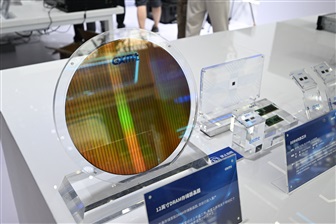
ChangXin Memory Technologies has signed a long-term DRAM supply agreement with Tencent Holdings valued at more than CNY20 billion (approx. US$2.94 billion), three people with knowledge of the deal told Reuters, as the Hefei-based chipmaker prepares for one of China's largest stock listings in years.
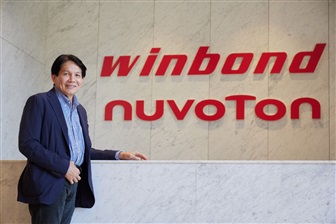
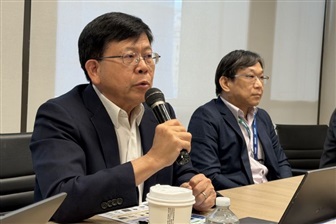
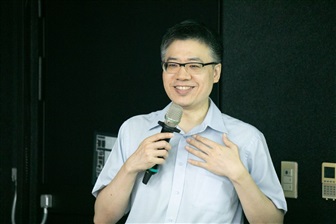
AI is turning memory from an inventory risk into a strategic resource. As memory becomes integral to platform and system design, customers are securing supply earlier, making availability increasingly critical to product launches, says Winbond Electronics president James Chen.
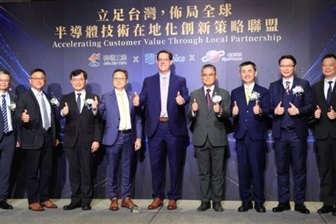
Asia Neo Tech has announced a 15-year technology licensing agreement with US-based Brooks Automation to cooperate on FOUP (front-opening unified pod) cleaning equipment and expand its reach into global markets. The two companies held a signing ceremony on June 30, 2026.
China has imposed new export control measures on 40 Japanese entities, placing 20 organizations on its export control list and another 20 on a separate watchlist, citing national security concerns and the need to strengthen oversight of exports of dual-use items.
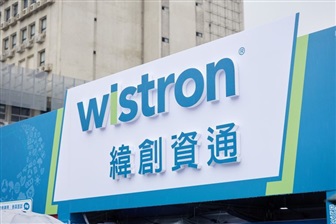
Wistron is stepping up factory spending in the US, Taiwan, and Southeast Asia to meet rising demand for AI servers. The expansion signals how global supply chains are shifting to support faster deployment of AI hardware, with California emerging as a key hub for its customers globally.
Chief Telecom Inc. said a June 29 search by prosecutors and investigators over an alleged illegal smuggling case involving high-end AI servers bound for Hong Kong, Macau, and China has not materially affected its finances or operations. The case highlights growing global scrutiny of AI hardware supply chains and data center controls.
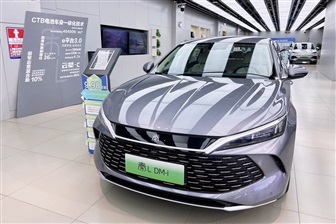
BYD plans to install its first in-house smart-driving chip in a Denza production model in 2027, marking a key step in the Chinese automaker's push to extend vertical integration from electrification into intelligent driving.
Generative AI is driving a sharp rise in electricity demand from data centers and AI computing infrastructure, prompting China to release its 15th Five-Year Plan for the Construction of a New Energy System (2026–2030). The plan incorporates AI power demand into China's national energy strategy for the first time, calling for closer coordination between electricity supply and computing capacity to support AI, advanced manufacturing, and other strategic industries.
The US government's move to add Chinese panel makers BOE and Tianma to a military-related list is raising concerns that Washington's tech restrictions are spilling beyond semiconductors into the display supply chain. South Korean panel makers are now watching to see whether tighter curbs on China could create a new opening for them.